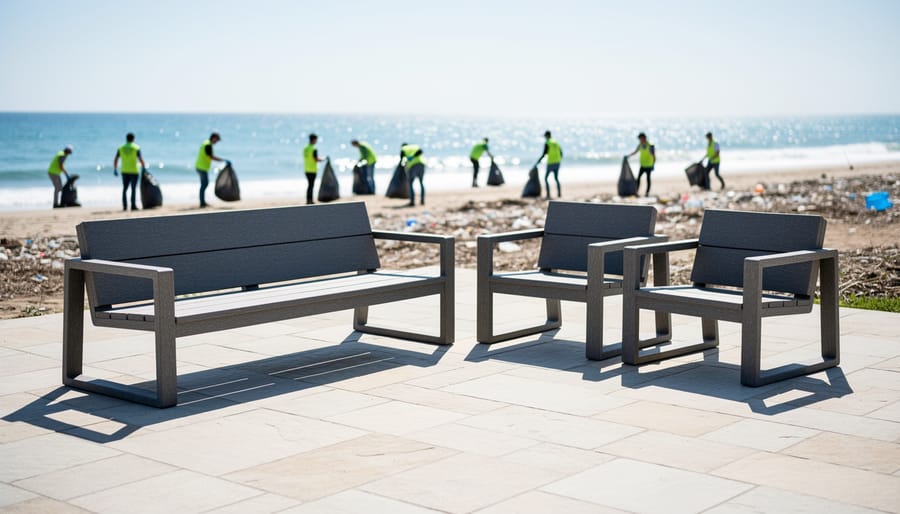
Global Plastic Recycling Transformed Your Outdoor Space: The Journey From Waste to Furniture
Global plastic recycling transforms roughly 9% of the world’s plastic waste into new products, and when that recycled material becomes outdoor furniture, it diverts thousands of tons from landfills while creating durable, weather-resistant pieces that can last decades. The system works through a complex network of collection facilities, sorting centers, and manufacturing plants spread across continents, processing everything from your curbside bin to ocean cleanup initiatives into the benches, tables, and chairs you see in parks and backyards.
Here’s what makes this process remarkable: a single recycled plastic chair can contain the equivalent of 200 plastic bottles, and the plastic-to-patio journey reduces carbon emissions by up to 70% compared to virgin plastic production. But the global aspect raises valid questions. Does shipping recycled furniture across oceans negate the environmental benefits? How transparent is the supply chain? And can you trust that your purchase genuinely supports sustainability rather than greenwashing?
The answers lie in understanding how modern recycling networks operate in 2026. Technology has dramatically improved sorting accuracy, specialized facilities can now process mixed plastics that once went straight to landfills, and shipping logistics have evolved to minimize environmental impact. Our family business has witnessed this evolution firsthand, watching the industry mature from well-intentioned experiments into sophisticated operations that track every stage from collection to delivery.
The real story isn’t just about furniture. It’s about creating circular economies where waste becomes valuable, where coastal communities benefit from cleanup efforts, and where your choice to buy recycled genuinely closes the loop. Understanding this system empowers you to make purchases that align with your environmental values while supporting innovations that could reshape our relationship with plastic waste entirely.
From Waste to Wonder: The Journey Begins
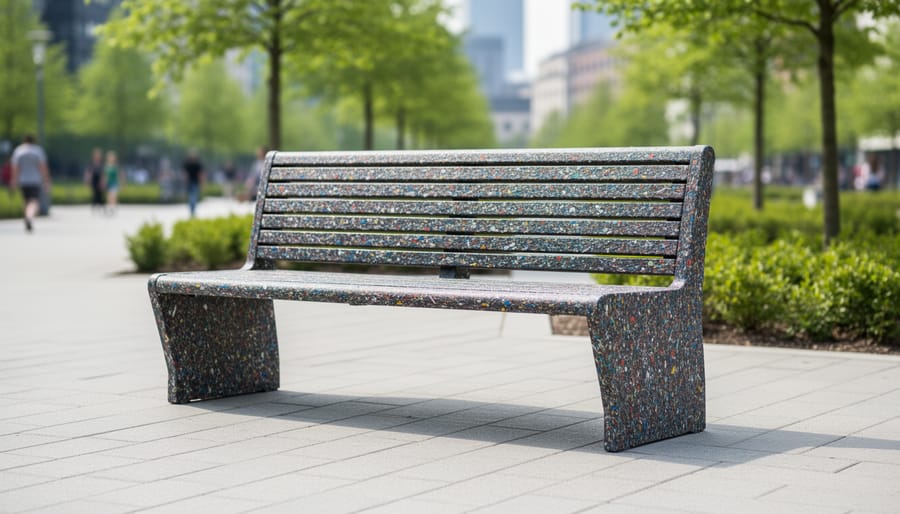
Every piece of recycled plastic furniture begins its life in the most unlikely places: a milk jug tossed into a curbside bin in Seattle, a shampoo bottle dropped at a collection point in Manchester, water bottles gathered from beaches in Sydney. These aren’t just random acts of recycling. They’re the first steps in a remarkably coordinated global effort that transforms tomorrow’s landfill into furniture that can last generations.
The collection network spans continents and relies on partnerships at every level. Municipal recycling programs provide the foundation, gathering household plastics through weekly pickups. But the system extends far beyond your blue bin. Beach cleanup initiatives, corporate recycling programs, and specialized collection points for hard-to-recycle plastics all feed into this network. In some regions, innovative bottle deposit programs have achieved collection rates above 90%, ensuring high-quality materials enter the recycling stream rather than polluting oceans or decomposing in landfills for centuries.
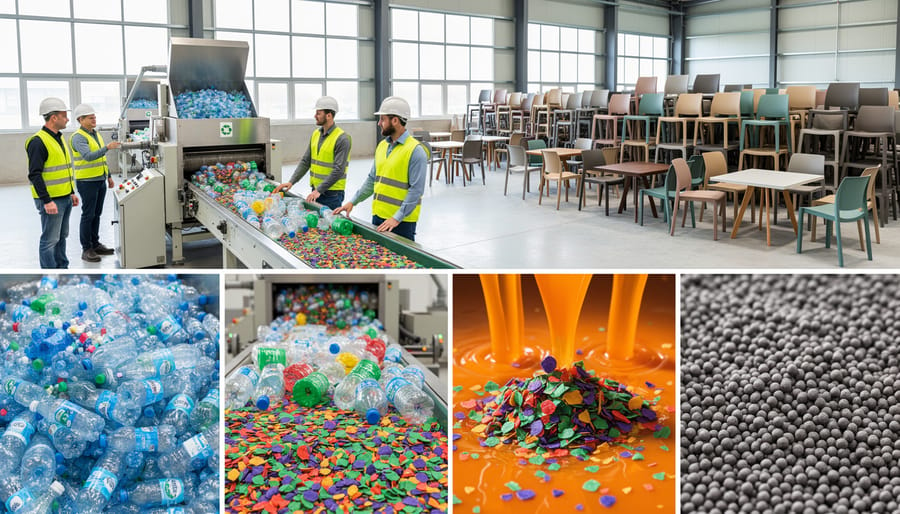
Once collected, these plastics embark on a sorting journey. Advanced facilities use infrared scanners and air jets to separate materials by type, HDPE from LDPE, polypropylene from polystyrene. This precision matters because different plastics have different melting points and structural properties. What emerges are bales of sorted plastic, cleaned and ready for the next stage.
The transformation from waste to furniture-grade material happens through reprocessing into new products using specialized techniques. These cleaned plastics are shredded into flakes, then melted and extruded into pellets. This is where the magic of eco-friendly production really shines, those pellets become the raw material for durable, weather-resistant furniture.
What makes this system work isn’t just technology. It’s collaboration between recycling coordinators in a dozen countries, logistics partners who understand material handling, and manufacturers committed to using reclaimed materials. A chair on your patio might contain plastics that traveled three continents before reaching their final, beautiful form. That journey represents hundreds of people working toward the same goal: giving plastic waste a second life that’s actually better than its first.
The Technology That Makes It Possible
Here’s the truth about what seems impossible: mixing different types of plastic shouldn’t work. Traditional recycling wisdom says you must carefully sort plastics by type, HDPE from PET, polypropylene from polystyrene, because combining them creates weak, brittle material destined for failure. Yet that discarded water bottle, yogurt container, and milk jug sitting in your recycling bin will soon become furniture that outlasts wood and resists conditions that destroy metal.
The breakthrough came through advanced polymer blending technology. Instead of fighting the differences between plastic types, engineers learned to harness them. High-density polyethylene provides structural strength, while polypropylene adds flexibility. Specialized additives act as molecular bridges, binding these different plastics into a single, stable matrix. Think of it like creating a composite material, each plastic type contributes specific properties, and the blend becomes stronger than any single component.
This process happens in massive extruders where recycled plastics are heated, mixed under precise temperature and pressure conditions, then forced through dies that shape them into lumber-like profiles. The key lies in controlling the melt flow, getting plastics with different melting points to behave as one unified material. UV stabilizers are blended throughout to prevent sun damage, while pigments are added during mixing rather than painted on, meaning the color goes all the way through.
What makes plastic durability in outdoor furniture so remarkable is its resistance to moisture, insects, and temperature swings. Wood absorbs water and deteriorates. Metal corrodes. Recycled plastic doesn’t care about rain or snow, there’s nothing to rot or rust. The molecular structure remains stable through freeze-thaw cycles that would crack concrete or split lumber.
This isn’t cheap plastic that fades and cracks after one season. The polymer blends used in quality outdoor furniture are engineered to withstand decades of UV exposure, extreme temperatures, and constant use. That family bench in your garden could still be there when your grandchildren visit.
Mapping the Global Distribution Network
Regional Distribution Centers
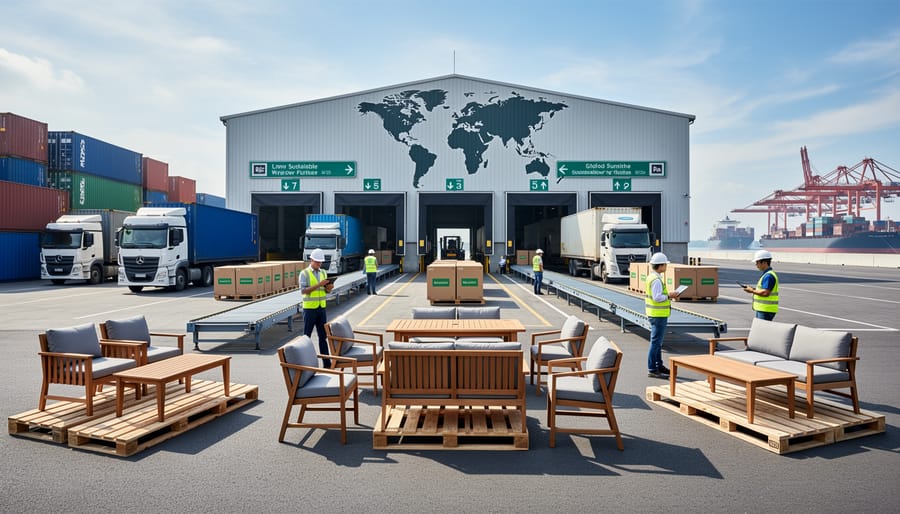
When recycled plastic furniture leaves the production facility, it doesn’t travel halfway around the world to reach every customer. Instead, it moves through a network of strategically placed distribution centers that bring products closer to the people who’ll enjoy them.
These regional hubs operate on five continents, storing inventory in locations that minimize the distance furniture travels to reach its final destination. A garden bench destined for a home in Munich might ship from a European distribution center rather than crossing the Atlantic. That same model heading to Sydney comes from an Asia-Pacific hub, cutting thousands of shipping miles from the journey.
The environmental math here works in everyone’s favor. Shorter shipping distances mean lower carbon emissions per piece of furniture, while consolidated shipments from production facilities to regional centers maximize truck and container efficiency. Instead of sending individual orders across oceans, manufacturers fill entire containers destined for regional hubs, then complete the last leg of delivery over much shorter distances.
These centers also improve the customer experience significantly. Regional inventory means faster delivery times and easier returns when needed. A homeowner in Toronto ordering outdoor chairs can receive them within days rather than weeks, with the confidence that replacement parts or warranty support operates through nearby facilities.
Partnering with Local Retailers
When recycled plastic furniture arrives at garden centers and outdoor living shops around the world, it carries more than just sustainability credentials, it brings a story that retail partners can share with their communities. These collaborations with local retailers create touchpoints where customers can see, feel, and understand the quality of recycled materials firsthand.
Garden centers have become natural allies in this mission. Their customers already value growing things and caring for the environment, making them receptive to furniture that embodies those same principles. Retailers appreciate that recycled plastic pieces require minimal floor space for variety since they won’t weather or fade like traditional materials, and they can confidently stand behind products that align with their own environmental values.
The partnership works both ways. Local retailers provide crucial feedback about regional preferences, coastal shops might emphasize salt-resistance, while mountain retailers highlight durability through freeze-thaw cycles. They become educators in their communities, explaining how choosing recycled furniture supports both local waste reduction efforts and global plastic recovery initiatives. This grassroots approach transforms each retail location into an environmental outpost where sustainable choices become tangible and accessible.
Direct-to-Consumer Shipping
The digital revolution transformed how customers access recycled plastic furniture, bringing sustainable choices directly to doorsteps worldwide. Online platforms eliminated intermediaries, allowing families to browse collections, compare environmental impact data, and order pieces that previously required visiting specialized retailers. This direct connection means customers in remote areas now access the same sustainable options as urban centers.
However, we’re deeply aware of the shipping paradox. Moving furniture from ocean to backyard across continents involves carbon costs. We address this through consolidated shipments, choosing carriers with carbon offset programs, and optimizing packaging to reduce dimensional weight. Many companies now offer carbon-neutral delivery options, with customers choosing slower shipping routes that combine orders efficiently rather than expedited air freight. The key lies in transparency: providing customers with environmental shipping data alongside delivery times, empowering them to make informed choices that align with their sustainability values while still enjoying global access to recycled furniture.
The Environmental Math That Actually Adds Up
When we started shipping recycled plastic furniture across continents, skeptics asked the obvious question: does transporting this furniture worldwide cancel out its environmental benefits? We asked ourselves the same thing, and the numbers tell a compelling story.
Every bench we create diverts roughly 400 plastic bottles from oceans and landfills. That’s not marketing speak; it’s the actual material weight. Scale that across thousands of pieces annually, and you’re looking at millions of bottles given new life instead of degrading over centuries in the environment. Each dining set represents around 1,200 bottles transformed, while a simple side table contains about 150. The plastic we rescue comes from waste streams that would otherwise persist in nature for 500 years or more.
But what about the carbon cost of global shipping? Here’s where the math gets interesting. Traditional outdoor furniture made from virgin plastics, treated wood, or metal carries a substantial manufacturing footprint before it even leaves the factory. Harvesting raw materials, processing them, and production all require significant energy. Our recycled plastic furniture starts with material that’s already extracted and processed once, cutting the initial carbon investment dramatically.
| Furniture Type | Plastic Diverted (bottles) | Production Carbon (kg CO2) | Typical Lifespan (years) |
|---|---|---|---|
| Recycled Plastic Bench | 400 | 45 | 25-30 |
| Treated Wood Bench | 0 | 120 | 5-8 |
| Virgin Plastic Furniture | 0 | 180 | 10-15 |
| Metal Garden Furniture | 0 | 210 | 15-20 |
The longevity factor shifts the equation even further. Traditional wood furniture might last eight years with proper maintenance before rotting, splintering, or requiring chemical retreatment. Metal corrodes. Virgin plastic becomes brittle and cracks. Our recycled furniture stays strong for 25 to 30 years without maintenance, meaning you’re not manufacturing, shipping, and disposing of replacements every decade.
When you factor in the full lifecycle, including transportation to market, recycled plastic furniture shipped globally still carries 60 to 70 percent less total carbon impact than conventional alternatives produced locally. The durability matters more than distance. One shipment supporting three decades of use beats multiple purchases of shorter-lived products, even if those come from nearby suppliers.
We also optimize shipping by consolidating orders and using the most efficient routes available. Container ships, while not perfect, move goods with surprising efficiency per item when fully loaded. Our regional distribution centers mean the longest journey happens once in bulk, with final delivery covering shorter distances.
The environmental math isn’t about perfection. It’s about genuine improvement over the status quo, and the numbers prove that recycled plastic furniture distributed globally represents real progress in the fight against plastic pollution.
Markets Leading the Sustainable Furniture Movement
Northern Europe blazed the trail. Countries like Sweden, Denmark, and the Netherlands embraced recycled plastic furniture early, driven by strong environmental policies and a culture that values turning trash into functional beauty. Scandinavian municipalities installed recycled benches in public parks throughout the 2010s, normalizing the material in everyday life. Citizens there expect sustainable options, making eco-friendly furniture mainstream rather than niche.
Australia and New Zealand followed closely, spurred by visible plastic pollution on their pristine coastlines. Coastal councils chose recycled plastic for beachfront infrastructure, showing residents firsthand how ocean waste could return as something useful. The furniture’s resistance to salt spray and intense UV made it practical, while the environmental story resonated deeply in communities battling marine debris.
North America’s adoption varied dramatically by region. West Coast states like California, Oregon, and Washington led the charge, with cities mandating recycled content in public procurement. East Coast markets grew through educational institutions and corporate campuses showcasing sustainability values. The Midwest’s uptake centered on durability and low maintenance for harsh weather rather than purely environmental messaging, proving different motivations can reach the same destination.
The UK market exploded when schools and community organizations discovered that recycled plastic playground equipment and picnic tables could withstand years of heavy use without splintering or rotting. Local councils appreciated never needing to replace vandalized wooden benches, creating an unexpected alliance between environmental benefits and practical budgets.
Japan approached recycled plastic furniture through technological appreciation, valuing the engineering that transforms waste into precision-crafted products. Their market prefers minimalist designs that highlight material innovation rather than rustic aesthetics.
Our Family Business Journey to Global Impact
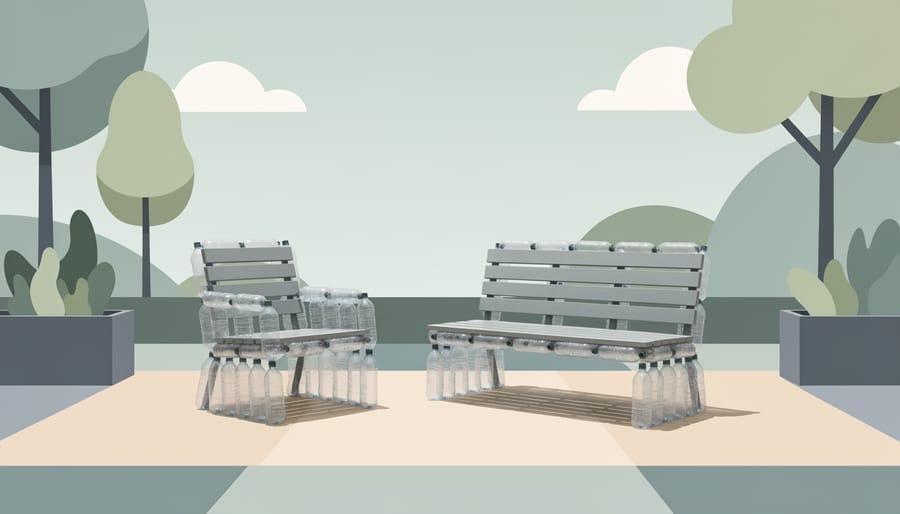
Twenty years ago, our journey started in a modest workshop where plastic bottles were transformed into simple garden planks. My grandfather saw something others missed: opportunity in what society discarded. That first year, we produced enough furniture for local parks and a handful of eco-conscious homeowners within driving distance. Today, our recycled plastic benches sit in gardens across six continents, but the mission hasn’t changed.
The leap from local production to global distribution happened gradually, then suddenly. Around 2015, we noticed inquiries arriving from overseas customers who’d heard about our work through environmental networks. A sustainability blogger in Australia shared photos of our picnic tables. A garden center in Sweden asked if we could ship internationally. We faced a choice: stay small and comfortable, or scale up while staying true to our environmental principles.
Plastic waste knows no borders, so neither should the solution.
That statement from my grandfather became our compass during expansion. We realized that refusing to ship globally wouldn’t reduce plastic pollution, it would simply leave demand unmet by companies with questionable practices.
Scaling brought difficult lessons about balancing reach with responsibility. We invested heavily in carbon-offset shipping partnerships and consolidated container logistics to minimize environmental cost per item delivered. Every new distribution center required vetting suppliers who shared our recycling standards, not just those offering the cheapest materials. Growth meant saying no to contracts that compromised quality or sustainability metrics, even when turning down revenue hurt.
The family dynamic shifted as we brought in professional logistics teams and international partners, but we kept ownership and decision-making within the family circle. My sister manages European distribution while maintaining relationships with the recycling cooperatives that supply our materials. My cousin oversees quality control across production facilities, personally testing furniture samples from each batch.
We’ve learned that global impact doesn’t require abandoning personal touch. Customer emails still reach family members who remember why we started this work. When someone in Japan or Brazil chooses our recycled furniture, they’re not just buying from a corporation, they’re joining a mission that began with one family’s belief that waste could become something beautiful and enduring.
Every piece of recycled plastic furniture sitting in a backyard garden, on a school playground, or along a city boardwalk represents thousands of plastic bottles and containers saved from landfills and oceans. The global distribution network we’ve explored isn’t just about moving products across continents. It’s about connecting people who care about the planet with tangible solutions to one of our most pressing environmental challenges.
This circular economy works because everyone plays a vital role. Recycling programs collect and sort materials. Innovative manufacturers transform waste into beautiful, functional furniture. Distribution networks deliver these products efficiently. And consumers like you close the loop by choosing recycled options and eventually recycling the furniture itself when its long lifespan finally ends.
The math is compelling. The environmental benefits are real. The furniture performs brilliantly in all weather conditions. But what truly matters is the collective impact we create together. Each purchase removes plastic from the waste stream, supports sustainable manufacturing, and sends a clear message about the future we want.
Your outdoor space can be more than comfortable and attractive. It can be a statement about values, a conversation starter about sustainability, and a practical contribution to solving plastic pollution. The journey from waste to wonder continues with every conscious choice we make together.