Archives September 2026

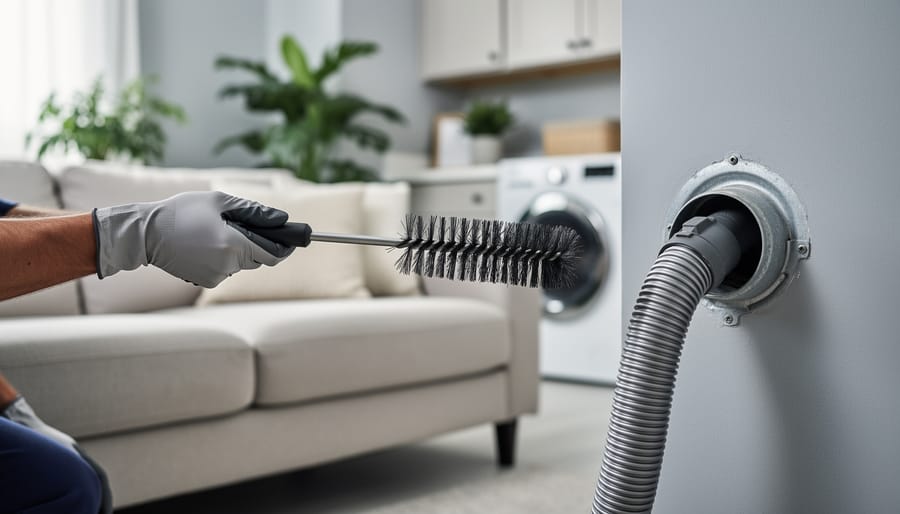
A technician holds a dryer vent cleaning brush and vacuum hose beside a clean sofa in a bright living room and laundry area.

Why Your Dryer Vent Needs Attention on Furniture Cleaning Days

Coordinating dryer vent cleaning with furniture cleaning creates a single, efficient home maintenance day that protects both your indoor air quality and your investment in quality furnishings. By tackling these tasks together, you eliminate the risk of settled lint and dust migrating from freshly cleaned vents onto your upholstery, while the professional tools used for Dryer Vent Cleaning Spring Hill services can often address furniture care needs simultaneously.

Here’s why this pairing makes practical sense: when technicians clean your dryer vent system, they’re removing years of accumulated lint, dust, and allergens that have been circulating through your home. Without a coordinated approach, this debris often settles directly onto your furniture within hours of the cleaning. You’re left cleaning your couches and chairs twice, or worse, breathing in particles that defeat the purpose of the vent maintenance altogether.

For families committed to sustainable living, this coordinated approach delivers benefits beyond convenience. Scheduling both services on the same day reduces the carbon footprint of multiple service visits, cuts down on disrupted routines, and ensures your home environment stays genuinely clean. When you pair dryer efficiency with pristine furniture, you’re creating a healthier indoor space that complements the outdoor living areas where your family gathers.

This guide walks you through the practical steps of planning your combined cleaning day, from selecting the right service providers to preparing your home for maximum efficiency.

Key Takeaway: Regular dryer vent and furniture maintenance prevents fires, extends product lifespan by years, and stops thousands of microplastic fibers from entering our environment. Simple cleaning habits create measurable environmental impact while protecting your home and investment.

The Hidden Connection Between Lint Buildup and Your Outdoor Living Space
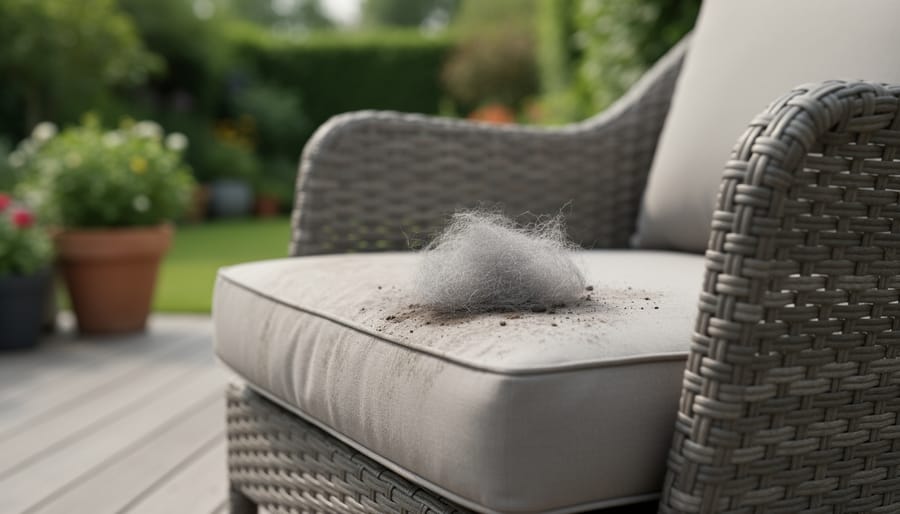
Lint-like debris on an outdoor chair arm near a visible dryer vent area.
A small amount of dryer lint on outdoor furniture highlights how overlooked maintenance can affect your outdoor living space.

Most people never realize that their dryer vent acts like a chimney for synthetic debris. Every load of laundry sends microscopic fibers into the air, and if your outdoor furniture sits anywhere near that vent, it’s getting a steady coating of lint you can’t see. That fine dust settles into crevices, dulls surfaces, and creates a stubborn layer that regular rain won’t wash away.

Here’s the part that matters beyond aesthetics: household dryers shed microfibers at an alarming rate, particularly from synthetic fabrics like polyester and nylon. These aren’t just annoying dust particles. They’re microplastics, the same pollutants choking waterways and soil ecosystems. When they land on your deck chairs or patio table, wind and rain eventually carry them into storm drains, gardens, and natural areas.

Walk outside after doing a few loads of fleece blankets or athletic wear, and you might notice a faint haze on furniture nearest the vent. That’s the visible tip of a much larger problem. The invisible particles have already scattered across your entire outdoor space, working their way into cushion fabric, settling between deck boards, and mixing with soil around your garden beds.

This reality hits close to home for us because addressing plastic pollution sits at the heart of why we exist as a family business. We transform discarded plastic into furniture precisely because we’ve seen what happens when plastic enters the environment unchecked. The irony isn’t lost on us: synthetic clothing sheds plastic fibers that end up coating outdoor spaces, while we’re working to keep plastic bottles and containers out of landfills by giving them new life as durable furnishings.

Tackling dryer vent maintenance alongside furniture cleaning isn’t just about convenience. It’s about intercepting microplastics before they spread and keeping your outdoor living space genuinely clean, not just superficially tidy.

Why Tackling Both Tasks Together Makes Sense

The Shared Tools and Techniques

You’ll be pleasantly surprised by how much your cleaning toolkit overlaps for these two tasks. A shop vacuum or wet-dry vac works beautifully for both sucking lint from your dryer vent system and removing debris from furniture crevices. The same long-handled brush you use to sweep lint from vent tubing can tackle cobwebs and dust from under your outdoor seating.

For the cleaning solutions, simple is best. A bucket of warm water with mild dish soap handles both jobs without harsh chemicals that harm the environment or your furniture. A spray bottle filled with this same mixture gives you flexibility to spot-clean as you go.

Microfiber cloths are your multitasking heroes here. They capture fine lint particles around the vent area, then switch seamlessly to wiping down furniture surfaces without scratching. Keep a few extras on hand so you can use fresh ones as you move between tasks.

A standard scrub brush with medium-stiff bristles rounds out your arsenal, perfect for dislodging stubborn lint buildup and scrubbing furniture surfaces that have accumulated grime. This streamlined approach means less equipment to haul outside and more time actually cleaning.

Creating a Healthier Outdoor Environment

When you combine dryer vent cleaning with furniture maintenance, you’re doing more than tidying up, you’re actively reducing the invisible threats that accumulate in outdoor living spaces. Lint buildup in dryer vents creates a perfect storm of problems: it traps moisture that breeds mold spores, collects dust mites and pollen, and poses a genuine fire risk. When you clear that vent, you stop this contaminated air from venting into your outdoor areas where your family gathers.

The benefits extend beyond fire prevention. Regular dryer vent maintenance cuts down on the fine particulate matter that settles on patio surfaces, furniture cushions, and anything else within a 10-foot radius of your vent outlet. Meanwhile, cleaning your outdoor furniture removes the layer of accumulated dust, pollen, and yes, dryer lint, that acts like a magnet for additional allergens. This matters especially if anyone in your household struggles to control indoor allergens because outdoor spaces should offer relief, not additional exposure.

Think of it as creating a clean-air buffer zone. Your patio becomes a space where kids can play without stirring up clouds of lint-laden dust, and where you can actually breathe easier after dinner. It’s preventive maintenance that compounds over time, each cleaning day reinforces the last, keeping your outdoor sanctuary genuinely clean rather than just looking presentable.

Technician brushing and vacuuming a dryer exhaust vent to remove lint and debris.
Cleaning the dryer vent prevents lint from accumulating and becoming airborne or settling where you live and relax outside.

Your Step-by-Step Cleaning Day Strategy

Morning: Start with the Dryer Vent

Starting your cleaning day with the dryer vent isn’t just about convenience. It’s strategic. When you clean the vent first, any dislodged lint and debris can be captured and disposed of before you invest time scrubbing down your outdoor furniture. Think of it as working from the source of the problem outward.

Begin by disconnecting your dryer and pulling it away from the wall. You’ll need access to both the vent exit outside and the connection point inside. A dryer vent brush with flexible rods works best for reaching deep into the ductwork. Push the brush through from inside, rotating it to grab trapped lint. You’ll be amazed at what comes out, even if you clean your lint trap after every load.

Outside, remove the vent cover and clear any visible debris. Birds’ nests, leaves, and compacted lint often accumulate at the exterior opening. Use your vacuum with a hose attachment to capture everything you’ve loosened.

The whole process takes about 30 minutes for most homes. Once you’ve reconnected everything and vacuumed around the area, you’ve eliminated the primary source of airborne debris for your outdoor cleaning session. Any lint or dust particles that might have settled on your patio furniture during the vent cleaning are easy to brush off before you begin the deep clean. This sequencing saves you from having to re-clean surfaces twice.

Afternoon: Refresh Your Recycled Plastic Furniture

Person wiping and rinsing recycled plastic outdoor patio chairs during a cleaning day.
A coordinated cleaning day leaves outdoor furniture looking refreshed and reduces the chance that stray lint will settle back onto it.

Once the dryer vent is clean and you’ve given any settled lint time to disperse, turn your attention to your outdoor furniture. This is where recycled plastic furniture truly shines compared to traditional materials that would require careful product selection and delicate scrubbing.

Start with a simple rinse using your garden hose to wash away any lint particles that may have drifted onto surfaces during the morning’s work. Unlike wood or wicker that might absorb debris or harbor it in crevices, recycled plastic’s smooth, non-porous surface releases particles easily. A medium-pressure spray is all you need for most accumulated dust and pollen.

For a deeper clean, mix warm water with a few drops of dish soap in a bucket. Using a soft-bristle brush or microfiber cloth, work in gentle circular motions across tabletops, chair backs, and armrests. The beauty of recycled plastic is its resistance to scratching, moisture damage, and staining. You won’t need specialized cleaners or worry about damaging finishes. Even plastic dining chairs with intricate designs clean effortlessly since dirt can’t penetrate the material itself.

Pay attention to any textured surfaces or joints where debris might collect, but don’t stress over perfection. A quick scrub followed by a rinse leaves recycled plastic looking refreshed. Unlike wooden furniture that needs drying, sealing, or conditioning afterward, you can simply towel off excess water or let pieces air-dry without concern for warping or water spots.

The whole process typically takes thirty minutes for a full patio set. This efficiency means you’re not sacrificing your entire afternoon to maintenance. By mid-afternoon, your outdoor space is genuinely clean from top to bottom, with both hidden hazards and visible surfaces addressed in a single coordinated effort.

How Recycled Plastic Furniture Makes Cleaning Days Easier

When you’re already committed to a deep-cleaning day, the last thing you want is furniture that fights back. That’s where recycled plastic outdoor furniture earns its place. Unlike wood that splinters when scrubbed or wicker that traps every speck of lint, recycled plastic shrugs off the debris your dryer vent just released into the air.

The surface doesn’t absorb moisture or develop the micro-crevices that give lint a place to hide. A quick rinse or wipe-down removes what settles during your vent cleaning work, and you’re done. No sanding, no sealing, no worrying whether water will warp the finish. The plastic durability that makes these pieces withstand years of weather also makes them remarkably forgiving during cleaning sessions.

Pros

  • Non-porous surface prevents lint and debris from embedding in material
  • Resists staining from cleaning solutions and environmental contaminants
  • Requires only basic soap and water, no specialized treatments or sealants
  • Won’t splinter, crack, or fade when exposed to moisture during cleaning

Cons

  • Can show surface dust more readily than textured materials between cleanings
  • May accumulate static in dry conditions that attracts lightweight lint
  • Initial cost typically higher than basic wood or metal alternatives

This practicality comes from a family business decision made decades ago. Rather than chase trends, the focus stayed on creating furniture that real families could actually maintain without weekend-long ordeals. When you’re juggling dryer vent brushes, vacuum attachments, and outdoor cleaning, that philosophy translates to fewer steps and less frustration.

The same recycled content that diverts plastic from landfills also eliminates the maintenance headaches that make people abandon outdoor spaces. Your cleaning day stays manageable, your furniture stays presentable, and nothing ends up replaced prematurely because upkeep became overwhelming.

Seasonal Timing: When to Schedule Your Combined Cleaning Day

Timing your combined cleaning day strategically makes the work easier and the results more lasting. Rather than picking arbitrary dates, let three factors guide your schedule: weather conditions, how heavily you’re using both your dryer and outdoor spaces, and what nature’s dropping on your furniture.

Spring and fall are your power seasons for this dual task. Spring cleaning naturally aligns with increased dryer use from winter bedding and the outdoor furniture awakening after months of storage or weather exposure. You’ll likely find your dryer vent loaded with accumulated lint from heavy winter laundry loads, while your furniture needs attention after pollen season and spring rains. Fall presents similar advantages, you’re washing heavier fabrics again as temperatures drop, and your outdoor furniture has accumulated a summer’s worth of use before you potentially store or cover it for winter.

Summer demands attention if you’re running the dryer frequently for beach towels, outdoor activity gear, and lighter clothing that generates surprising amounts of synthetic lint. This debris settles readily on furniture you’re actually using daily, making the combined cleaning doubly worthwhile. Winter might seem less urgent, but if you live where dryer use spikes during wet seasons and outdoor furniture remains accessible on covered patios, a mid-winter maintenance day prevents buildup from becoming entrenched.

The best signal that it’s time? Check your dryer vent exterior monthly, if you see visible lint accumulation or notice longer drying times, that’s your cue. Similarly, run your hand across your furniture after a week of regular dryer use. Feel grit or a film? Schedule your cleaning day within the next two weeks for optimal results.

The Environmental Payoff of Regular Maintenance

When you commit to regular maintenance, you’re doing more than keeping your home clean. You’re preventing waste at multiple levels. A clogged dryer vent doesn’t just pose a fire hazard; a dryer fire means destroyed appliances, damaged clothing, and potentially extensive home repairs. All that replacement equals raw materials extracted, manufacturing emissions, and eventual landfill waste. By cleaning your vent twice yearly, you eliminate this risk entirely.

Your recycled plastic furniture benefits from the same preventive thinking. Unlike wood that rots or metal that rusts, properly maintained recycled plastic pieces last 20-plus years without replacement. That’s two decades of avoided manufacturing, shipping, and disposal. When we turn waste into patio furniture, we’re already diverting plastic from oceans and landfills. Extending that furniture’s lifespan multiplies the environmental benefit.

The lint itself matters more than most people realize. Modern synthetic fabrics shed microplastic fibers with every wash and dry cycle. When you clean your dryer vent, proper disposal (bagged and trashed, not scattered outdoors) prevents these particles from entering soil and waterways. It’s a small action, but millions of households doing it correctly keeps tons of microplastics contained.

This is everyday sustainability in action. You’re not making grand gestures or overhauling your lifestyle. You’re simply maintaining what you own, which happens to be one of the most effective environmental strategies available. Well-cared-for possessions don’t need replacing, and that matters far more than most recycling programs.

Your next cleaning day isn’t just about tidying up, it’s a chance to transform how you maintain your home and protect the environment. By pairing dryer vent cleaning with furniture care, you’re practicing the kind of thoughtful, efficient maintenance that extends the life of everything you own while keeping your outdoor spaces healthier.

These small, coordinated actions add up to something bigger. Every lint-free vent reduces fire risk and energy waste. Every well-maintained piece of recycled plastic furniture is one less item heading to a landfill. Together, they represent a shift toward mindful living that doesn’t require sacrifice or complexity.

As a family business, we’ve spent years developing outdoor furniture solutions that make sustainable choices easier, not harder. We believe environmental stewardship shouldn’t feel like a burden, it should feel like common sense. When you clean your dryer vent and wipe down your patio chairs on the same afternoon, you’re proving that taking care of your home and taking care of the planet can be the same simple act.

Start with your next cleaning day. You’ll be amazed at the difference consistent, connected maintenance makes.
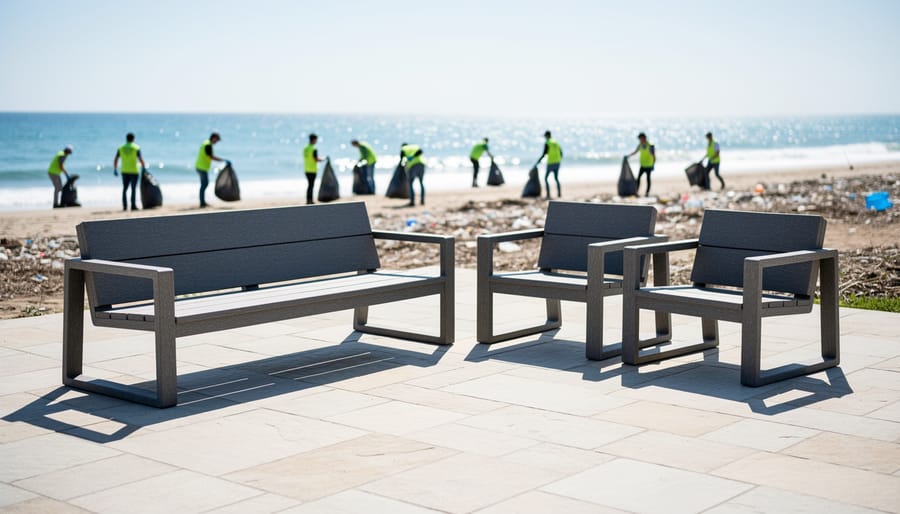

Modern outdoor bench and chairs made of recycled plastic on a sunny patio near a coastal cleanup setting.

Global Plastic Recycling Transformed Your Outdoor Space: The Journey From Waste to Furniture

Global plastic recycling transforms roughly 9% of the world’s plastic waste into new products, and when that recycled material becomes outdoor furniture, it diverts thousands of tons from landfills while creating durable, weather-resistant pieces that can last decades. The system works through a complex network of collection facilities, sorting centers, and manufacturing plants spread across continents, processing everything from your curbside bin to ocean cleanup initiatives into the benches, tables, and chairs you see in parks and backyards.

Here’s what makes this process remarkable: a single recycled plastic chair can contain the equivalent of 200 plastic bottles, and the plastic-to-patio journey reduces carbon emissions by up to 70% compared to virgin plastic production. But the global aspect raises valid questions. Does shipping recycled furniture across oceans negate the environmental benefits? How transparent is the supply chain? And can you trust that your purchase genuinely supports sustainability rather than greenwashing?

The answers lie in understanding how modern recycling networks operate in 2026. Technology has dramatically improved sorting accuracy, specialized facilities can now process mixed plastics that once went straight to landfills, and shipping logistics have evolved to minimize environmental impact. Our family business has witnessed this evolution firsthand, watching the industry mature from well-intentioned experiments into sophisticated operations that track every stage from collection to delivery.

The real story isn’t just about furniture. It’s about creating circular economies where waste becomes valuable, where coastal communities benefit from cleanup efforts, and where your choice to buy recycled genuinely closes the loop. Understanding this system empowers you to make purchases that align with your environmental values while supporting innovations that could reshape our relationship with plastic waste entirely.

From Waste to Wonder: The Journey Begins

Modern outdoor bench with recycled plastic texture on a garden patio
A recycled-plastic outdoor bench shows how waste can become attractive, durable furniture for everyday spaces.

Every piece of recycled plastic furniture begins its life in the most unlikely places: a milk jug tossed into a curbside bin in Seattle, a shampoo bottle dropped at a collection point in Manchester, water bottles gathered from beaches in Sydney. These aren’t just random acts of recycling. They’re the first steps in a remarkably coordinated global effort that transforms tomorrow’s landfill into furniture that can last generations.

The collection network spans continents and relies on partnerships at every level. Municipal recycling programs provide the foundation, gathering household plastics through weekly pickups. But the system extends far beyond your blue bin. Beach cleanup initiatives, corporate recycling programs, and specialized collection points for hard-to-recycle plastics all feed into this network. In some regions, innovative bottle deposit programs have achieved collection rates above 90%, ensuring high-quality materials enter the recycling stream rather than polluting oceans or decomposing in landfills for centuries.

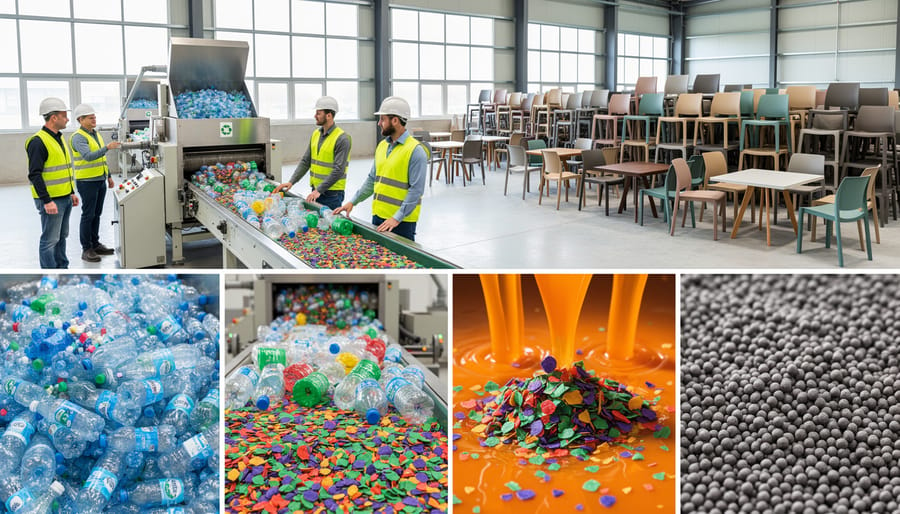
Once collected, these plastics embark on a sorting journey. Advanced facilities use infrared scanners and air jets to separate materials by type, HDPE from LDPE, polypropylene from polystyrene. This precision matters because different plastics have different melting points and structural properties. What emerges are bales of sorted plastic, cleaned and ready for the next stage.

The transformation from waste to furniture-grade material happens through reprocessing into new products using specialized techniques. These cleaned plastics are shredded into flakes, then melted and extruded into pellets. This is where the magic of eco-friendly production really shines, those pellets become the raw material for durable, weather-resistant furniture.

What makes this system work isn’t just technology. It’s collaboration between recycling coordinators in a dozen countries, logistics partners who understand material handling, and manufacturers committed to using reclaimed materials. A chair on your patio might contain plastics that traveled three continents before reaching their final, beautiful form. That journey represents hundreds of people working toward the same goal: giving plastic waste a second life that’s actually better than its first.

The Technology That Makes It Possible

Recycling facility hopper pouring colorful plastic flakes into processing machinery
Plastic collected from recycling streams is processed and transformed into reusable material for durable furniture production.

Here’s the truth about what seems impossible: mixing different types of plastic shouldn’t work. Traditional recycling wisdom says you must carefully sort plastics by type, HDPE from PET, polypropylene from polystyrene, because combining them creates weak, brittle material destined for failure. Yet that discarded water bottle, yogurt container, and milk jug sitting in your recycling bin will soon become furniture that outlasts wood and resists conditions that destroy metal.

The breakthrough came through advanced polymer blending technology. Instead of fighting the differences between plastic types, engineers learned to harness them. High-density polyethylene provides structural strength, while polypropylene adds flexibility. Specialized additives act as molecular bridges, binding these different plastics into a single, stable matrix. Think of it like creating a composite material, each plastic type contributes specific properties, and the blend becomes stronger than any single component.

This process happens in massive extruders where recycled plastics are heated, mixed under precise temperature and pressure conditions, then forced through dies that shape them into lumber-like profiles. The key lies in controlling the melt flow, getting plastics with different melting points to behave as one unified material. UV stabilizers are blended throughout to prevent sun damage, while pigments are added during mixing rather than painted on, meaning the color goes all the way through.

Note: Properly blended recycled plastic furniture can last 50+ years outdoors without rotting, splintering, or rusting, far exceeding the typical 10-15 year lifespan of treated wood.

What makes plastic durability in outdoor furniture so remarkable is its resistance to moisture, insects, and temperature swings. Wood absorbs water and deteriorates. Metal corrodes. Recycled plastic doesn’t care about rain or snow, there’s nothing to rot or rust. The molecular structure remains stable through freeze-thaw cycles that would crack concrete or split lumber.

This isn’t cheap plastic that fades and cracks after one season. The polymer blends used in quality outdoor furniture are engineered to withstand decades of UV exposure, extreme temperatures, and constant use. That family bench in your garden could still be there when your grandchildren visit.

Mapping the Global Distribution Network

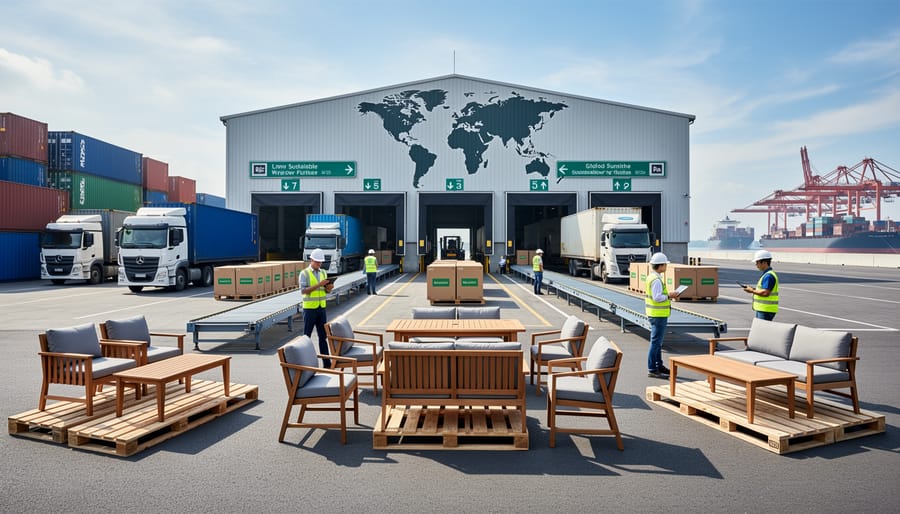
Cargo containers and trucks at an intermodal shipping yard during golden hour
Global logistics helps sustainable outdoor furniture reach customers efficiently through major shipping and distribution facilities.

Regional Distribution Centers

When recycled plastic furniture leaves the production facility, it doesn’t travel halfway around the world to reach every customer. Instead, it moves through a network of strategically placed distribution centers that bring products closer to the people who’ll enjoy them.

These regional hubs operate on five continents, storing inventory in locations that minimize the distance furniture travels to reach its final destination. A garden bench destined for a home in Munich might ship from a European distribution center rather than crossing the Atlantic. That same model heading to Sydney comes from an Asia-Pacific hub, cutting thousands of shipping miles from the journey.

The environmental math here works in everyone’s favor. Shorter shipping distances mean lower carbon emissions per piece of furniture, while consolidated shipments from production facilities to regional centers maximize truck and container efficiency. Instead of sending individual orders across oceans, manufacturers fill entire containers destined for regional hubs, then complete the last leg of delivery over much shorter distances.

These centers also improve the customer experience significantly. Regional inventory means faster delivery times and easier returns when needed. A homeowner in Toronto ordering outdoor chairs can receive them within days rather than weeks, with the confidence that replacement parts or warranty support operates through nearby facilities.

Partnering with Local Retailers

When recycled plastic furniture arrives at garden centers and outdoor living shops around the world, it carries more than just sustainability credentials, it brings a story that retail partners can share with their communities. These collaborations with local retailers create touchpoints where customers can see, feel, and understand the quality of recycled materials firsthand.

Garden centers have become natural allies in this mission. Their customers already value growing things and caring for the environment, making them receptive to furniture that embodies those same principles. Retailers appreciate that recycled plastic pieces require minimal floor space for variety since they won’t weather or fade like traditional materials, and they can confidently stand behind products that align with their own environmental values.

The partnership works both ways. Local retailers provide crucial feedback about regional preferences, coastal shops might emphasize salt-resistance, while mountain retailers highlight durability through freeze-thaw cycles. They become educators in their communities, explaining how choosing recycled furniture supports both local waste reduction efforts and global plastic recovery initiatives. This grassroots approach transforms each retail location into an environmental outpost where sustainable choices become tangible and accessible.

Direct-to-Consumer Shipping

The digital revolution transformed how customers access recycled plastic furniture, bringing sustainable choices directly to doorsteps worldwide. Online platforms eliminated intermediaries, allowing families to browse collections, compare environmental impact data, and order pieces that previously required visiting specialized retailers. This direct connection means customers in remote areas now access the same sustainable options as urban centers.

However, we’re deeply aware of the shipping paradox. Moving furniture from ocean to backyard across continents involves carbon costs. We address this through consolidated shipments, choosing carriers with carbon offset programs, and optimizing packaging to reduce dimensional weight. Many companies now offer carbon-neutral delivery options, with customers choosing slower shipping routes that combine orders efficiently rather than expedited air freight. The key lies in transparency: providing customers with environmental shipping data alongside delivery times, empowering them to make informed choices that align with their sustainability values while still enjoying global access to recycled furniture.

The Environmental Math That Actually Adds Up

When we started shipping recycled plastic furniture across continents, skeptics asked the obvious question: does transporting this furniture worldwide cancel out its environmental benefits? We asked ourselves the same thing, and the numbers tell a compelling story.

Every bench we create diverts roughly 400 plastic bottles from oceans and landfills. That’s not marketing speak; it’s the actual material weight. Scale that across thousands of pieces annually, and you’re looking at millions of bottles given new life instead of degrading over centuries in the environment. Each dining set represents around 1,200 bottles transformed, while a simple side table contains about 150. The plastic we rescue comes from waste streams that would otherwise persist in nature for 500 years or more.

But what about the carbon cost of global shipping? Here’s where the math gets interesting. Traditional outdoor furniture made from virgin plastics, treated wood, or metal carries a substantial manufacturing footprint before it even leaves the factory. Harvesting raw materials, processing them, and production all require significant energy. Our recycled plastic furniture starts with material that’s already extracted and processed once, cutting the initial carbon investment dramatically.

Furniture Type Plastic Diverted (bottles) Production Carbon (kg CO2) Typical Lifespan (years)
Recycled Plastic Bench 400 45 25-30
Treated Wood Bench 0 120 5-8
Virgin Plastic Furniture 0 180 10-15
Metal Garden Furniture 0 210 15-20

The longevity factor shifts the equation even further. Traditional wood furniture might last eight years with proper maintenance before rotting, splintering, or requiring chemical retreatment. Metal corrodes. Virgin plastic becomes brittle and cracks. Our recycled furniture stays strong for 25 to 30 years without maintenance, meaning you’re not manufacturing, shipping, and disposing of replacements every decade.

When you factor in the full lifecycle, including transportation to market, recycled plastic furniture shipped globally still carries 60 to 70 percent less total carbon impact than conventional alternatives produced locally. The durability matters more than distance. One shipment supporting three decades of use beats multiple purchases of shorter-lived products, even if those come from nearby suppliers.

We also optimize shipping by consolidating orders and using the most efficient routes available. Container ships, while not perfect, move goods with surprising efficiency per item when fully loaded. Our regional distribution centers mean the longest journey happens once in bulk, with final delivery covering shorter distances.

The environmental math isn’t about perfection. It’s about genuine improvement over the status quo, and the numbers prove that recycled plastic furniture distributed globally represents real progress in the fight against plastic pollution.

Markets Leading the Sustainable Furniture Movement

Northern Europe blazed the trail. Countries like Sweden, Denmark, and the Netherlands embraced recycled plastic furniture early, driven by strong environmental policies and a culture that values turning trash into functional beauty. Scandinavian municipalities installed recycled benches in public parks throughout the 2010s, normalizing the material in everyday life. Citizens there expect sustainable options, making eco-friendly furniture mainstream rather than niche.

Australia and New Zealand followed closely, spurred by visible plastic pollution on their pristine coastlines. Coastal councils chose recycled plastic for beachfront infrastructure, showing residents firsthand how ocean waste could return as something useful. The furniture’s resistance to salt spray and intense UV made it practical, while the environmental story resonated deeply in communities battling marine debris.

North America’s adoption varied dramatically by region. West Coast states like California, Oregon, and Washington led the charge, with cities mandating recycled content in public procurement. East Coast markets grew through educational institutions and corporate campuses showcasing sustainability values. The Midwest’s uptake centered on durability and low maintenance for harsh weather rather than purely environmental messaging, proving different motivations can reach the same destination.

The UK market exploded when schools and community organizations discovered that recycled plastic playground equipment and picnic tables could withstand years of heavy use without splintering or rotting. Local councils appreciated never needing to replace vandalized wooden benches, creating an unexpected alliance between environmental benefits and practical budgets.

Japan approached recycled plastic furniture through technological appreciation, valuing the engineering that transforms waste into precision-crafted products. Their market prefers minimalist designs that highlight material innovation rather than rustic aesthetics.

Our Family Business Journey to Global Impact

Recycled-plastic patio furniture in a green garden with healthy plants
Recycled plastic furniture supports more sustainable outdoor spaces, where everyday use aligns with healthier surroundings.

Twenty years ago, our journey started in a modest workshop where plastic bottles were transformed into simple garden planks. My grandfather saw something others missed: opportunity in what society discarded. That first year, we produced enough furniture for local parks and a handful of eco-conscious homeowners within driving distance. Today, our recycled plastic benches sit in gardens across six continents, but the mission hasn’t changed.

The leap from local production to global distribution happened gradually, then suddenly. Around 2015, we noticed inquiries arriving from overseas customers who’d heard about our work through environmental networks. A sustainability blogger in Australia shared photos of our picnic tables. A garden center in Sweden asked if we could ship internationally. We faced a choice: stay small and comfortable, or scale up while staying true to our environmental principles.

Plastic waste knows no borders, so neither should the solution.

That statement from my grandfather became our compass during expansion. We realized that refusing to ship globally wouldn’t reduce plastic pollution, it would simply leave demand unmet by companies with questionable practices.

Scaling brought difficult lessons about balancing reach with responsibility. We invested heavily in carbon-offset shipping partnerships and consolidated container logistics to minimize environmental cost per item delivered. Every new distribution center required vetting suppliers who shared our recycling standards, not just those offering the cheapest materials. Growth meant saying no to contracts that compromised quality or sustainability metrics, even when turning down revenue hurt.

The family dynamic shifted as we brought in professional logistics teams and international partners, but we kept ownership and decision-making within the family circle. My sister manages European distribution while maintaining relationships with the recycling cooperatives that supply our materials. My cousin oversees quality control across production facilities, personally testing furniture samples from each batch.

We’ve learned that global impact doesn’t require abandoning personal touch. Customer emails still reach family members who remember why we started this work. When someone in Japan or Brazil chooses our recycled furniture, they’re not just buying from a corporation, they’re joining a mission that began with one family’s belief that waste could become something beautiful and enduring.

Every piece of recycled plastic furniture sitting in a backyard garden, on a school playground, or along a city boardwalk represents thousands of plastic bottles and containers saved from landfills and oceans. The global distribution network we’ve explored isn’t just about moving products across continents. It’s about connecting people who care about the planet with tangible solutions to one of our most pressing environmental challenges.

This circular economy works because everyone plays a vital role. Recycling programs collect and sort materials. Innovative manufacturers transform waste into beautiful, functional furniture. Distribution networks deliver these products efficiently. And consumers like you close the loop by choosing recycled options and eventually recycling the furniture itself when its long lifespan finally ends.

The math is compelling. The environmental benefits are real. The furniture performs brilliantly in all weather conditions. But what truly matters is the collective impact we create together. Each purchase removes plastic from the waste stream, supports sustainable manufacturing, and sends a clear message about the future we want.

Your outdoor space can be more than comfortable and attractive. It can be a statement about values, a conversation starter about sustainability, and a practical contribution to solving plastic pollution. The journey from waste to wonder continues with every conscious choice we make together.