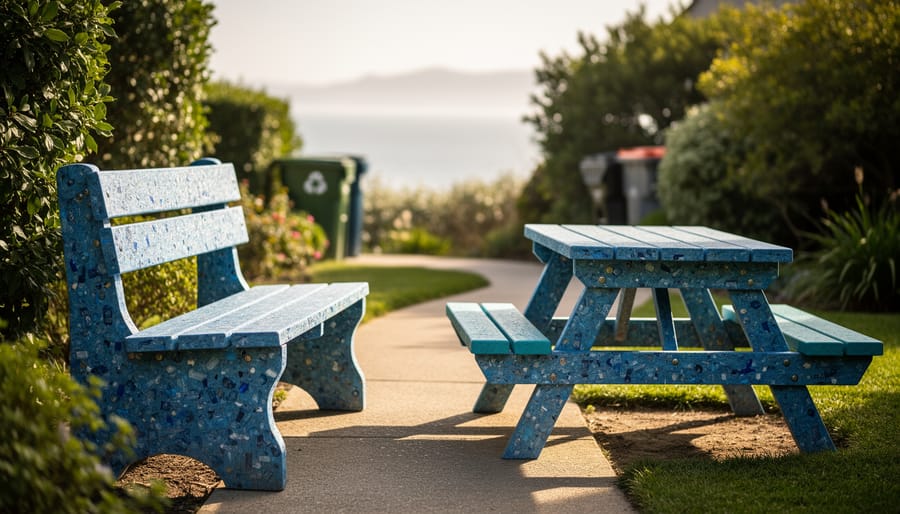
How Recycled Plastic Furniture Travels from Ocean Waste to Your Backyard
Recycled plastic furniture is manufactured primarily in North America, Europe, and parts of Asia, then distributed through a combination of regional dealer networks, direct-to-consumer shipping, and international freight partnerships that deliver these sustainable pieces worldwide. If you’re wondering whether you can get your hands on a bench or picnic table made from reclaimed ocean plastic or post-consumer bottles, the answer is almost certainly yes, though the specifics of how it reaches your doorstep depend on where you live and which manufacturer you choose.
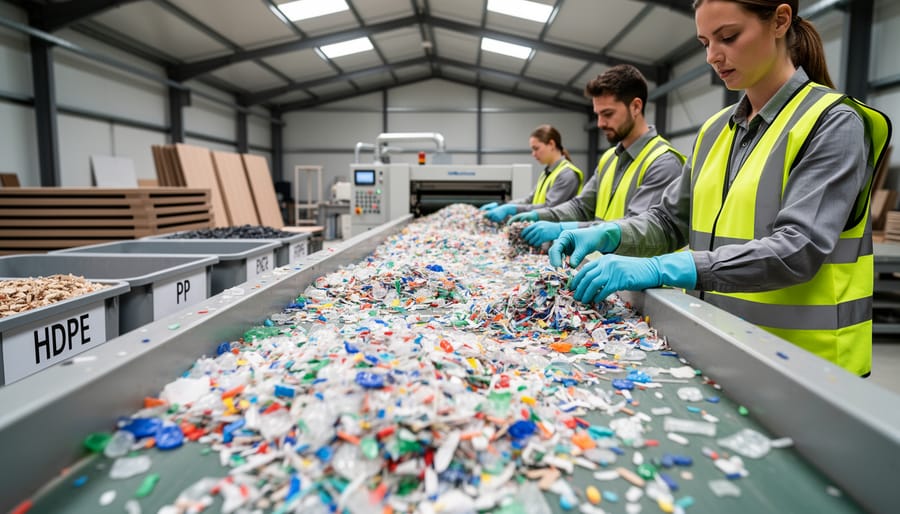
The global journey of recycled plastic furniture begins where waste ends. Our own family business started three generations ago with a simple belief: what others throw away can become something beautiful and lasting. That philosophy has grown into an international movement. Today, recycled plastic lumber mills process millions of pounds of HDPE (high-density polyethylene) bottles, jugs, and containers annually, transforming them into weather-resistant outdoor furniture that ships to backyards, parks, and coastal properties across six continents.
Distribution networks have evolved considerably since 2020. What once required specialty eco-retailers now flows through mainstream home and garden centers, online marketplaces, and direct manufacturer websites. Shipping a 150-pound recycled plastic picnic table from Pennsylvania to Perth or from California to Copenhagen involves careful logistics planning, but modern freight consolidation and established trade routes make it surprisingly efficient. The environmental cost of transportation is real, yet when compared to the decades-long lifespan of the furniture and the waste diverted from landfills and oceans, the carbon math still favors choosing recycled plastic over virgin materials or wood that requires regular replacement.
The Journey Begins: Where Recycled Plastic Furniture Comes From
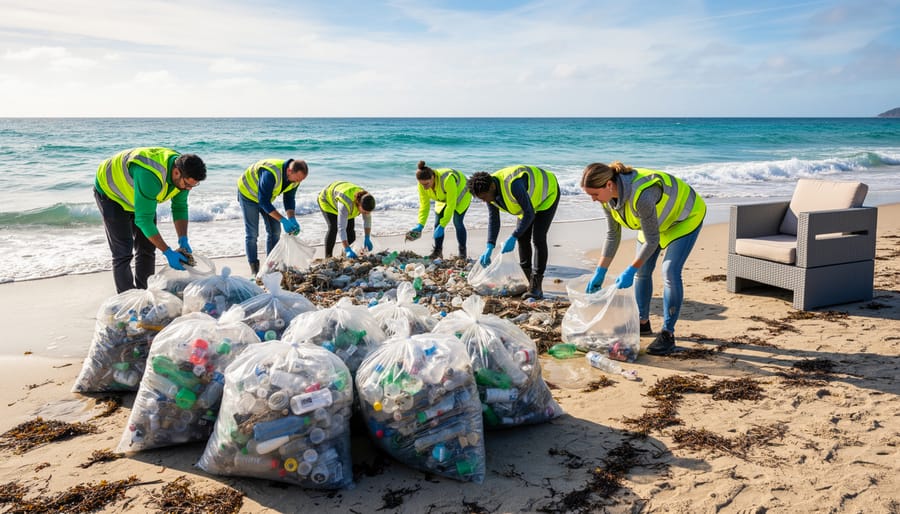
Every piece of recycled plastic furniture starts its life in an unexpected place, as trash. Before that sturdy Adirondack chair graces your patio or that planter box brightens your garden, the materials journey from disposal sites, waterways, and factory floors around the world.
The sources are as diverse as the problem itself. Plastic waste destined for furniture manufacturing comes from:
- Ocean recovery programs that collect floating debris from gyres and coastal waters
- Curbside recycling bins in communities across North America, Europe, and increasingly, Asia
- Post-industrial waste from manufacturing facilities that generate clean plastic scrap
- Commercial packaging waste from distribution centers and retail operations
- Agricultural plastic film and containers collected from farming operations
Ocean cleanup initiatives deserve special attention because they tackle some of the most visible plastic pollution. Organizations working in partnership with furniture manufacturers deploy collection vessels in areas like the Great Pacific Garbage Patch, where currents concentrate floating plastic. These efforts recover bottles, containers, fishing nets, and fragments that would otherwise break down into microplastics and harm marine life for centuries.
Municipal recycling programs form another crucial pipeline. Your milk jugs, detergent bottles, and yogurt containers can become the raw material for outdoor furniture when they’re properly sorted and processed. The challenge? These programs operate under different rules and capabilities across countries, which means furniture manufacturers must work with collection networks spanning multiple continents to secure consistent material streams.
Post-industrial plastic represents the cleanest source, offcuts and rejected products from factories that never reach consumers. This material requires less processing because it hasn’t been contaminated by food, dirt, or mixed waste, making it highly valued by manufacturers.
What ties these sources together is collaboration. A single furniture piece might contain plastic collected from California beaches, German recycling centers, and Japanese industrial facilities. This international effort transforms the global plastic crisis into a circular economy where yesterday’s waste becomes tomorrow’s beautiful, functional furniture.
From Family Venture to Worldwide Network: The Distribution Story
When Bob and Jim Regan started making park benches from recycled milk jugs in their Indiana garage back in 1988, they had no idea they were launching what would become a global movement. Their first “distribution network” was Bob’s pickup truck, delivering benches to local parks and playgrounds within a fifty-mile radius. Fast forward to today, and that family vision has blossomed into an industry with distribution channels spanning six continents.
The transformation didn’t happen overnight. Early adopters faced a classic chicken-and-egg problem: building manufacturing capacity required capital, but securing investment meant proving demand existed for furniture made from what most people saw as trash. The breakthrough came when environmental awareness started shifting from fringe concern to mainstream priority. Suddenly, municipalities wanted recycled benches for their sustainability initiatives. Schools sought playground equipment that taught environmental lessons. Homeowners started asking, “Where can I get one of those?”
This growing demand forced small operations to think bigger. Family businesses formed alliances, sharing shipping containers to reach overseas markets they couldn’t access alone. A Vermont manufacturer might partner with a California distributor to serve the West Coast without building a second factory. These informal partnerships gradually evolved into sophisticated logistics networks, with regional warehouses strategically positioned to minimize shipping distances while keeping products accessible.
Technology played a crucial role too. What once required weeks of phone calls and faxed orders now happens through integrated inventory systems that let a customer in Melbourne order a chair manufactured in Pennsylvania, with the system automatically routing it through the most efficient distribution channel. Container ships, freight partnerships, and last-mile delivery networks all had to align.
The infrastructure supporting this growth tells its own story of commitment. Companies invested in warehousing facilities near major ports. They negotiated long-term contracts with eco-conscious shipping partners who shared their values about offsetting carbon emissions. Some even established regional manufacturing partnerships, licensing their processes to local producers who could serve their markets more sustainably.
Throughout this evolution, the family-business heart remained. Many companies still operate with that original ethos: turn waste into something beautiful, deliver it reliably, and build relationships that last as long as the furniture itself.
How Recycled Plastic Furniture Reaches Different Continents
North American Distribution Channels
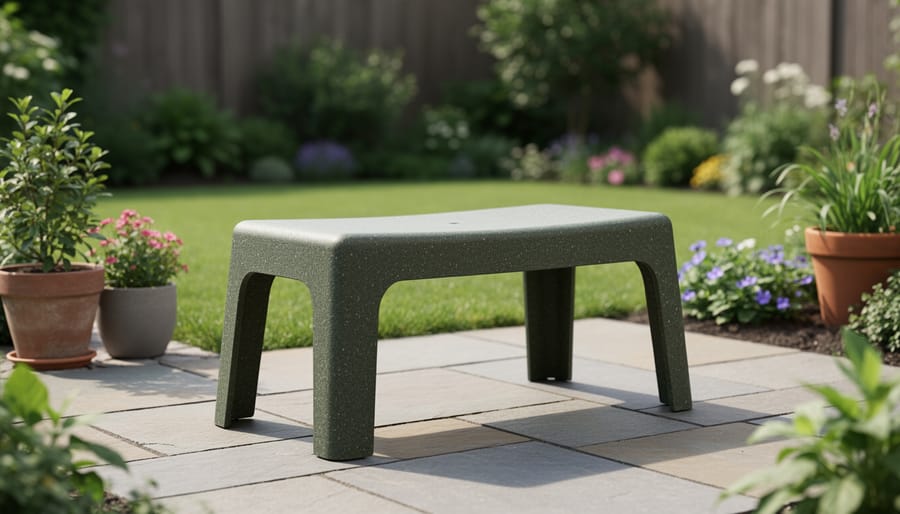
Recycled plastic furniture reaches North American consumers through a surprisingly diverse network of channels. In the United States, major outdoor retailers like Home Depot and Lowe’s now stock lines alongside specialty eco-retailers and garden centers. These partnerships bring recycled pieces directly to neighborhood stores, letting customers see and touch the furniture before buying.
Canada follows a similar retail model, with additional emphasis on Quebec-based eco-boutiques and western outdoor specialists who appreciate the plastic durability in harsh climates. Mexico’s market is growing through coastal resort suppliers and urban sustainability stores in cities like Mexico City and Guadalajara.
Direct-to-consumer shipping has transformed access across all three countries. Many manufacturers now ship from strategically located warehouses in Pennsylvania, California, Ontario, and Texas, reaching most addresses within five to seven business days. This dual approach means whether you prefer browsing in person or ordering online, recycled plastic furniture can reach your backyard without hassle.
European Market Networks
Europe’s distribution infrastructure for recycled plastic furniture benefits from the continent’s compact geography and interconnected transport networks. Products typically flow through major ports in the Netherlands, Belgium, and Germany before reaching regional distribution centres that serve specific countries or clusters of nations.
The European Union’s sustainability regulations have created an environment where recycled furniture thrives. Extended Producer Responsibility directives encourage companies to use recycled materials, while Green Public Procurement policies mean government facilities often prefer recycled plastic furniture for parks and public spaces. These regulations haven’t just opened doors, they’ve actively promoted adoption across both commercial and residential markets.
Most European distributors operate hub-and-spoke models, maintaining central warehouses that feed smaller regional depots. This approach reduces delivery times to typically 5-10 business days across the continent. Cross-border shipping within the EU faces minimal customs complications, making it nearly as straightforward as domestic delivery.
Many suppliers also partner with local outdoor furniture retailers in countries like the UK, France, Spain, and the Nordic nations, allowing customers to view products in person before purchasing while still accessing the full range through special order systems.
Growing Markets in Asia and Beyond
Asia-Pacific represents the fastest-growing frontier for recycled plastic furniture, driven by rising environmental awareness and expanding middle-class populations seeking quality outdoor living solutions. Countries like Japan and South Korea lead adoption, where dense urban environments make durable, low-maintenance furniture particularly appealing for balconies and compact outdoor spaces.
Australia has emerged as a powerhouse market, with consumers drawn to furniture that withstands harsh UV exposure and coastal conditions. The continent’s strong beach culture and environmental consciousness create ideal conditions for products born from ocean waste. Distribution networks now connect major cities through strategic warehousing in Sydney and Melbourne, with expanding reach to regional areas.
Singapore and Hong Kong serve as distribution hubs for Southeast Asia, where tropical climates demand furniture that resists humidity and mold. The message that recycled plastic lasts decades without rotting or warping resonates strongly in these moisture-rich environments.
Emerging markets in Thailand, Malaysia, and Indonesia show promising growth as eco-tourism and sustainable hospitality sectors invest in recycled furniture for resorts and public spaces. India presents vast potential, with environmental initiatives and government pushes toward plastic waste solutions creating opportunities for both imports and future local manufacturing.
The region’s expansion reflects not just market opportunity but a shared commitment to addressing plastic pollution where it’s most visible, in the waters and coastlines these communities cherish.
The Environmental Math: Why Global Distribution Still Makes Sense
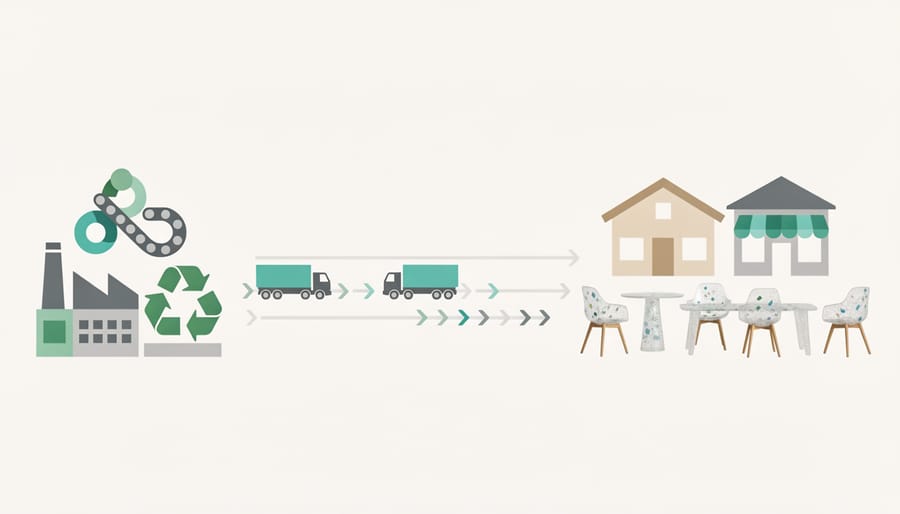
At first glance, shipping furniture across continents seems to contradict the environmental mission behind recycled plastic products. But when you examine the complete picture, the math tells a compelling story about why global distribution actually supports sustainability rather than undermining it.
The key lies in lifecycle thinking. A traditional teak bench might have a lower shipping carbon footprint if manufactured locally, but it requires harvesting old-growth forests and replacing every eight to ten years as it weathers and splinters. Recycled plastic furniture, by contrast, diverts tons of waste from oceans and landfills, requires no virgin resources, and can make recycled products last for decades without degrading. When you spread the distribution emissions across a 25-year lifespan versus multiple replacements of conventional furniture, the recycled option comes out ahead by a significant margin.
Consider the numbers: shipping a container of recycled plastic furniture from production to destination generates roughly 0.5 to 1.5 tons of CO2, depending on distance. Meanwhile, that same shipment contains furniture made from 15 to 20 tons of plastic waste that would otherwise persist in the environment for centuries. Each piece prevents the extraction and processing of virgin materials, which carries its own substantial carbon cost. Studies show that producing virgin plastic generates three times the emissions of processing recycled plastic into furniture.
Many forward-thinking companies have implemented carbon offset programs that fund reforestation, renewable energy projects, or additional ocean cleanup efforts. Some calculate their entire distribution footprint and offset 110 to 150 percent of those emissions, effectively making their shipping carbon-negative. Others partner with carriers using cleaner fuels or optimized shipping routes that reduce empty return trips.
The environmental case strengthens further when you consider what happens without global distribution networks. Collected ocean plastic in Indonesia or beach cleanup efforts in coastal regions need processing facilities and markets. Global distribution creates the economic incentive for waste collection worldwide, turning plastic pollution into valuable raw material. Without these networks, much of that plastic simply stays in the ocean.
The real contradiction isn’t in shipping sustainable furniture globally. It’s in producing throwaway products locally that end up as tomorrow’s waste.
Regional Manufacturing Hubs: Bringing Production Closer to Home
The shift toward regional manufacturing represents one of the most exciting developments in the recycled plastic furniture industry. Rather than producing everything in a single location and shipping worldwide, leading companies are establishing manufacturing hubs strategically positioned to serve specific regions. This approach slashes transportation distances, strengthens local economies, and demonstrates that environmental responsibility extends beyond the materials themselves.
These regional facilities tap into local waste streams, transforming plastic collected from nearby communities into furniture that stays within the region. A manufacturer serving the Northeast U.S. might source plastics from New England recycling programs and coastal cleanups, while a European hub draws from Mediterranean collection initiatives. This localized sourcing creates shorter supply chains and builds community connections around the recycling mission.
| Regional Hub | Primary Materials Sourced | Markets Served |
|---|---|---|
| Mid-Atlantic U.S. | HDPE from curbside recycling, fishing gear | Eastern seaboard, Midwest |
| Central Europe | Post-consumer plastics, agricultural film | EU countries, UK |
| Western Australia | Ocean plastics, industrial packaging | Australia, New Zealand, Pacific islands |
| Southern California | Mixed recyclables, bottle plastics | Western U.S., parts of Canada and Mexico |
The benefits multiply beyond reduced shipping emissions. Regional facilities create manufacturing jobs in their communities and often partner with local recycling programs to secure consistent material supplies. Some hubs train workers specifically in recycled plastics processing, building expertise that strengthens the entire circular economy infrastructure.
Quality remains consistent across locations because the fundamental process stays the same, and outdoor furniture durability doesn’t vary by manufacturing site. Companies maintain strict standards and shared designs, so a bench made in Oregon performs identically to one produced in Germany. This decentralized approach proves you can scale sustainably without sacrificing the craftsmanship that makes recycled plastic furniture last decades.
What This Means for You: Accessing Recycled Plastic Furniture Wherever You Live
Finding recycled plastic furniture in your area starts with a simple online search, but knowing what you’re looking for makes all the difference. Most established manufacturers now ship directly to consumers worldwide, with delivery timelines ranging from 2-3 weeks for domestic orders to 4-8 weeks for international shipments. Check the company’s website for authorized dealers in your region, these local partners often stock popular items and can significantly cut your wait time.
When evaluating products, ask specific questions. What percentage of the furniture is made from recycled content? Can the company trace where their plastic came from? Genuine recycled plastic furniture should feel substantial and show consistent color throughout (no thin veneers or surface coatings). Our durability guide explains what construction details signal a piece that’ll last decades rather than years.
Supporting local distributors does more than speed up delivery. Regional partners often provide assembly services, understand local weather conditions, and can advise on the best pieces for your climate. They’re also invested in warranty support and returns, which matters when you’re making a significant purchase.
Watch for greenwashing. Phrases like “eco-friendly” or “sustainable” mean nothing without specifics. Look for certifications, recycled content percentages, and transparent supply chain information. Companies proud of their environmental impact will readily share where their plastic comes from and how much waste they’ve diverted from landfills.
Don’t hesitate to request samples or visit showrooms when possible. Recycled plastic furniture varies in quality, and seeing the construction firsthand, checking joint strength, examining surface finish, testing stability, tells you more than any product description. The right piece should feel like an investment in both your outdoor space and the planet’s future.
Every piece of recycled plastic furniture tells a story that spans continents. It starts with plastic waste pulled from oceans, collected from recycling bins, and recovered from industrial processes around the world. Through innovation, dedication, and global collaboration, that waste transforms into stunning benches, tables, and chairs gracing backyards from Boston to Barcelona.
What began as small family ventures has grown into a worldwide movement proving that sustainability and beauty aren’t mutually exclusive. The furniture industry has discovered something remarkable: the very material we once viewed as pollution creates outdoor pieces more durable, weather-resistant, and low-maintenance than traditional alternatives. Each chair diverts roughly 400 plastic bottles from landfills and waterways. Multiply that across thousands of products, and the environmental impact becomes undeniable.
Yes, these pieces travel distances to reach your home. But the math overwhelmingly favors this approach. The carbon saved by giving plastic waste new life, preventing virgin material production, and creating furniture that lasts decades far outweighs distribution emissions. Regional manufacturing hubs continue emerging, bringing production closer while maintaining the global vision that started it all.
When you choose recycled plastic furniture, you’re not just buying outdoor seating. You’re casting a vote for cleaner oceans, supporting family businesses built on environmental passion, and joining an international community committed to turning yesterday’s waste into tomorrow’s legacy. Your backyard becomes part of a solution that circles the globe.