Transform Waste Into Wonder: Real Products Born From Eco-Friendly Production
Every product you bring into your home tells a story—and increasingly, consumers want that story to include sustainable harvesting, ethical production, and a lighter footprint on our planet. The good news? The eco-friendly marketplace has exploded beyond basic canvas tote bags and bamboo toothbrushes into a world of beautifully crafted, functional products that don’t ask you to compromise on quality or style.
From reclaimed wood furniture that transforms century-old barn beams into stunning dining tables to biodegradable phone cases made from wheat straw and plant fibers, sustainable alternatives now exist for nearly everything in your daily life. These aren’t niche products hidden in dusty health food stores anymore—they’re mainstream, accessible, and often competitively priced with their conventional counterparts.
What makes a product truly eco-friendly? It starts with responsible sourcing of raw materials, continues through low-impact manufacturing processes, and extends all the way to end-of-life disposal or composting. Many of today’s green products come from family-owned businesses who’ve spent decades perfecting their craft, using techniques passed down through generations that naturally minimize waste and honor natural resources.
Whether you’re furnishing your first home, searching for the perfect gift, or simply tired of contributing to landfills with disposable goods, understanding real product examples helps you make informed choices. The following categories showcase tangible items you can actually purchase today—each one proving that environmental responsibility and everyday functionality can coexist beautifully. Let’s explore products that work for you and the planet.
The Magic Behind Turning Trash Into Treasure
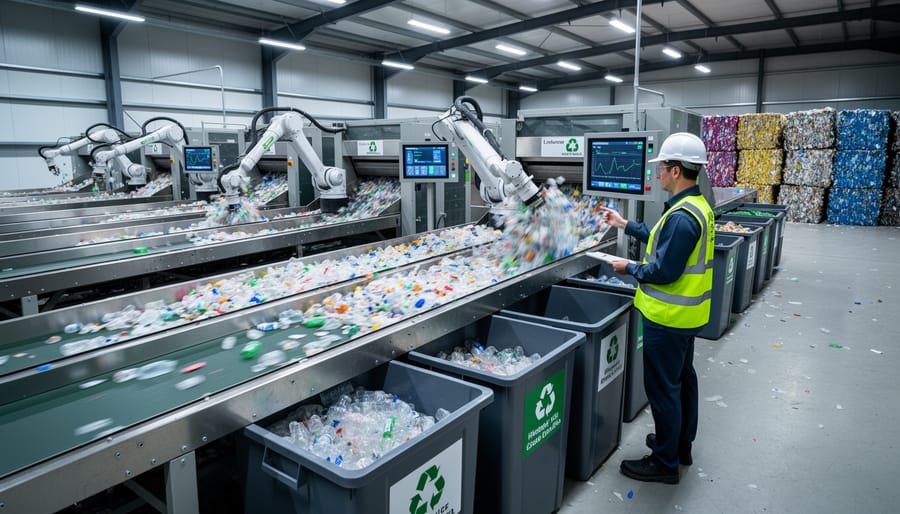
Ever wonder what happens to that plastic bottle after you toss it in the recycling bin? The answer is more exciting than you might think. Modern eco-friendly manufacturing has transformed how we view “waste,” turning yesterday’s trash into today’s treasure through innovative production techniques that are reshaping entire industries.
At the heart of this revolution is upcycling, where discarded materials get a complete makeover into products that are actually better than their original form. Think of it as giving materials a promotion rather than just recycling them. Companies are collecting ocean-bound plastics, old fishing nets, and post-consumer waste, then transforming them into durable outdoor furniture, stylish accessories, and sturdy home goods. This plastic waste transformation keeps millions of pounds of materials out of landfills and oceans each year.
Polymer blending takes this further by mixing recycled plastics with other materials to create composites that are weather-resistant, fade-proof, and incredibly long-lasting. These blends often outperform traditional materials while using fewer virgin resources.
Then there’s closed-loop manufacturing, where nothing goes to waste. Picture a factory where production scraps immediately get fed back into the manufacturing line, creating a continuous cycle. Any extra material from cutting or shaping simply becomes raw material for the next batch. Some family-owned manufacturers have perfected this approach over generations, fine-tuning their processes to minimize waste while maximizing quality.
The beauty of waste-to-product transformation is that it’s happening right now, at scale. Your next patio chair might contain reclaimed milk jugs. That garden planter could be made from recycled automotive parts. These aren’t experimental products; they’re practical, proven solutions that help families create beautiful, sustainable spaces while protecting the planet for future generations.
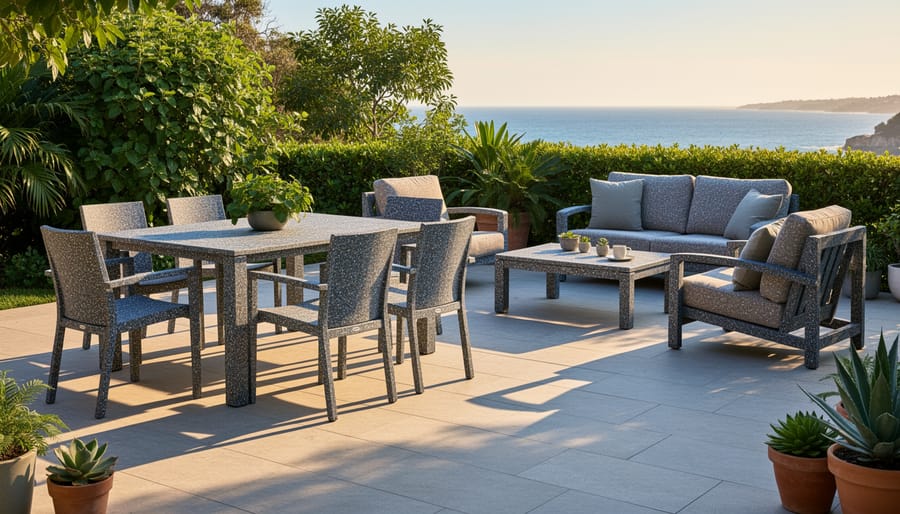
Outdoor Furniture That Saves Oceans
Why Recycled Plastic Furniture Outlasts Traditional Options
Here’s the thing about traditional outdoor furniture: it demands constant attention. Wooden pieces need annual sealing, metal chairs rust at the first sign of moisture, and wicker? Let’s just say it doesn’t handle unexpected rainstorms gracefully. But polymer-blended furniture tells a completely different story.
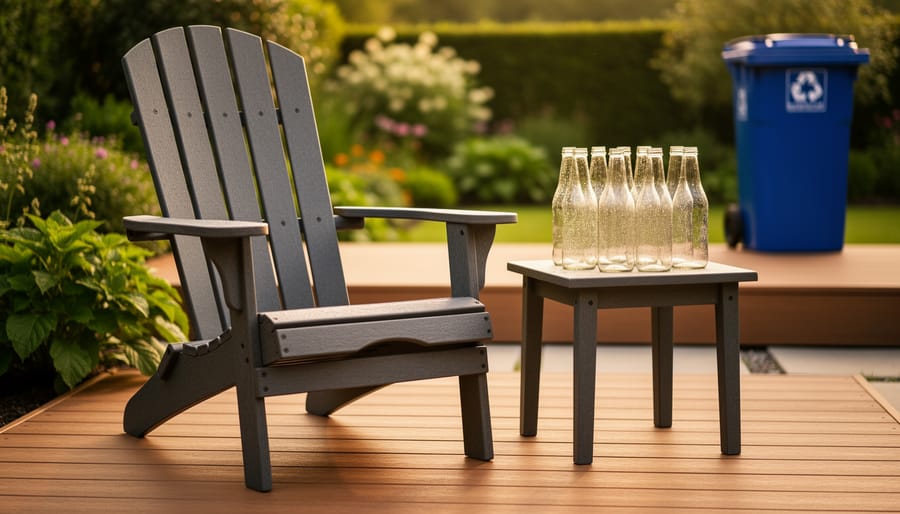
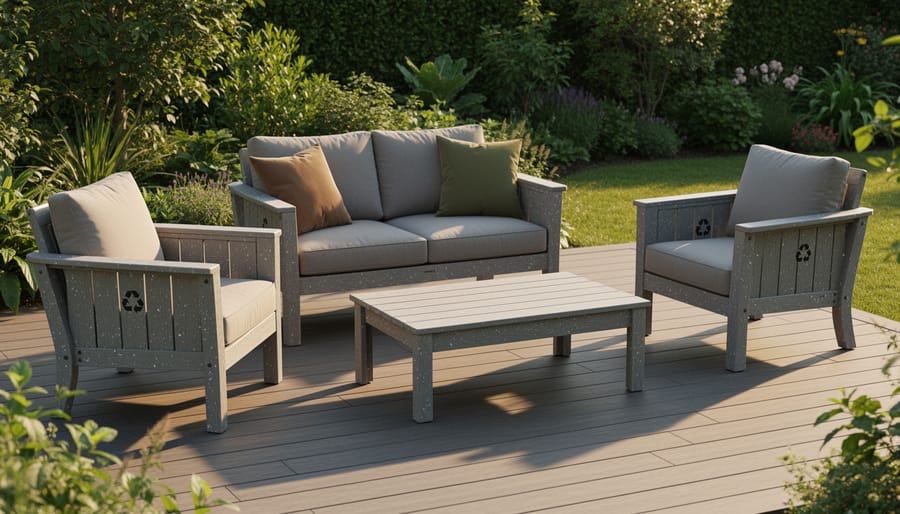
This innovative furniture is built from recycled plastics that have been engineered to withstand whatever nature throws at them. Unlike wood that splinters and rots or metal that corrodes, recycled plastic furniture shrugs off rain, snow, salt air, and intense UV rays without breaking a sweat. The polymer blend resists fading, so those vibrant colors stay brilliant year after year, not just through one summer season.
What makes this particularly exciting is the material’s density. The recycled plastics are compressed and blended to create furniture that’s remarkably sturdy yet surprisingly lightweight. You won’t find cracks forming in winter or warping happening during summer heat waves. There’s no need for painting, staining, or treating with chemicals to maintain its appearance.
For families who actually use their outdoor spaces, this translates to real freedom. Set it up once, and you’re done. No covering furniture when storms roll in, no dragging everything into the garage each fall. Your recycled plastic pieces simply stay put, looking great season after season while quietly reducing the demand for virgin materials.
The Environmental Numbers That Matter
Let’s talk real numbers, because choosing recycled furniture creates measurable change. Every patio set crafted from reclaimed ocean-bound plastics diverts approximately 400 milk jugs from our waterways and landfills, where plastic waste accumulates at millions of tonnes annually. When you compare the carbon footprint of recycled HDPE furniture to virgin plastic alternatives, the difference is striking—recycled manufacturing saves at least 30 percent in greenhouse gas emissions.
What makes this even more exciting is the longevity factor. Because quality recycled outdoor furniture lasts decades without degrading, you’re not just making one eco-friendly choice—you’re preventing future waste cycles. That Adirondack chair isn’t heading to a landfill in five years like cheaper alternatives. For our family business, these numbers represent more than statistics; they’re the legacy we’re building, one transformed milk jug at a time.
Garden Products Growing From Recycled Materials
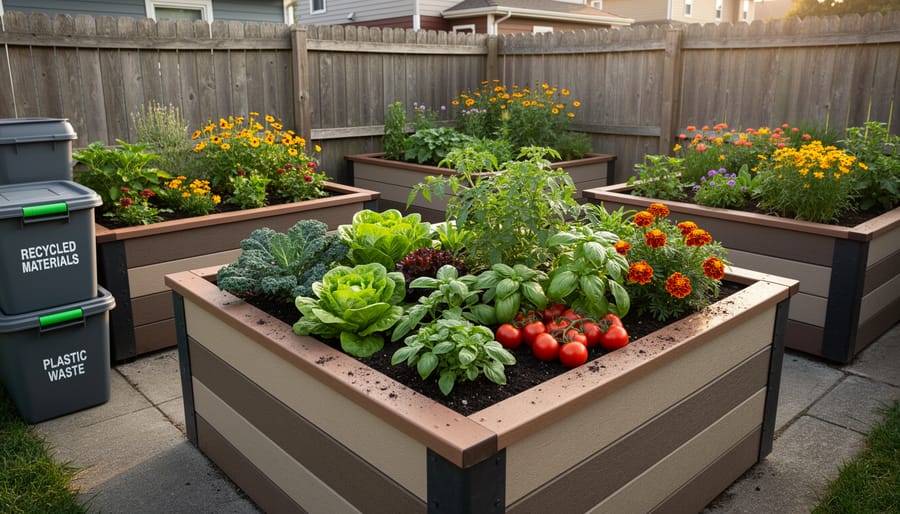
Composters and Garden Beds That Close the Loop
Here’s where gardening gets really exciting—and truly circular! Composters and raised garden beds made from recycled plastic demonstrate sustainable living at its finest. These products don’t just sit in your garden looking pretty; they actively participate in nature’s most beautiful cycle while giving new life to materials that might otherwise clog our landfills.
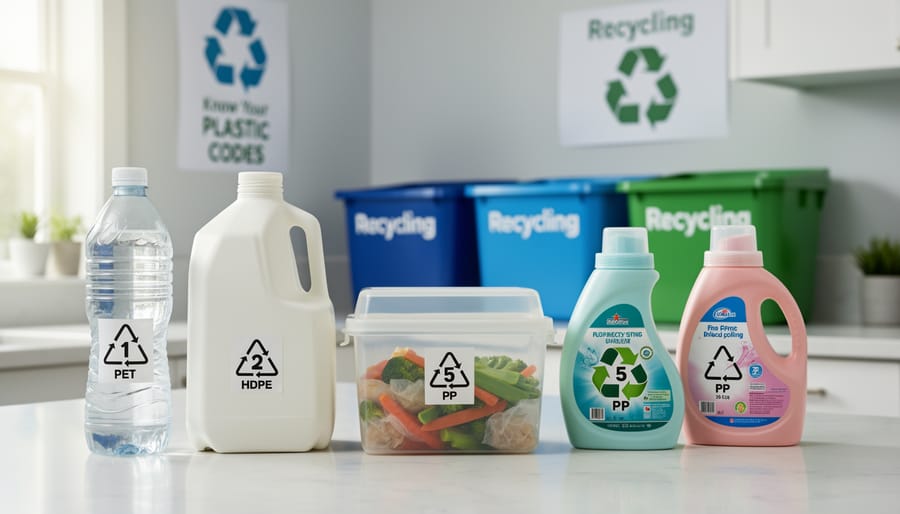
Think about it: a composter crafted from recycled plastic bottles transforms your kitchen scraps into nutrient-rich soil amendment, which then feeds your vegetables growing in a raised bed also made from recycled materials. It’s a complete loop that would make any environmentalist smile! These products typically use HDPE (high-density polyethylene) sourced from post-consumer plastics like milk jugs and detergent bottles, diverting hundreds of pounds of waste from landfills.
What makes these garden essentials particularly smart is their durability. Unlike traditional wooden composters and beds that rot, warp, or require chemical treatments to survive the elements, recycled plastic versions can last 20-30 years without maintenance. No painting, no staining, no replacing rotted boards. They’re completely weather-resistant, won’t crack in freezing temperatures, and actually improve with age.
Many family-owned businesses have built their reputations on manufacturing these circular economy champions right here in North America, supporting local jobs while reducing transportation emissions. When you invest in recycled plastic garden products, you’re not just growing tomatoes—you’re cultivating a healthier planet, one season at a time.
Accessories and Accents That Make a Statement
Sometimes it’s the smaller touches that transform a space from ordinary to extraordinary—and when those details come with environmental benefits, they tell a story worth sharing. Eco-friendly accessories and accent pieces prove that sustainability doesn’t require grand gestures; it thrives in the thoughtful details that catch your eye and spark conversation.
Take decorative planters, for instance. Crafted from recycled plastic lumber using the same extrusion process that creates decking boards, these containers withstand weather extremes while keeping plastic bottles out of landfills. They’re available in styles ranging from classic urns to modern geometric designs, showing how versatile recycled materials can be at smaller scales. The beauty is that the manufacturing process remains efficient even for these compact items—the same heated extrusion that shapes a deck board can create an elegant planter that’ll last for decades.
Bird feeders and birdhouses made from eco-friendly composites demonstrate another wonderful application. These pieces combine recycled wood fibers with recycled plastics, creating products that won’t rot, crack, or splinter like traditional wood. Your feathered visitors get a safe haven, and you get a maintenance-free accent that enhances your garden year after year.
Outdoor decorative accents like address plaques, garden stakes, and lattice panels showcase how smaller-scale production allows for intricate details and custom touches. Many family-run businesses have perfected these techniques over generations, bringing craftsmanship traditions into the sustainable age. They understand that people want products that reflect their personal style while honoring their environmental values.
What makes these accessories particularly special is their accessibility. They’re perfect starting points for anyone beginning their sustainability journey—affordable, visible reminders that every eco-friendly choice matters, no matter how small.
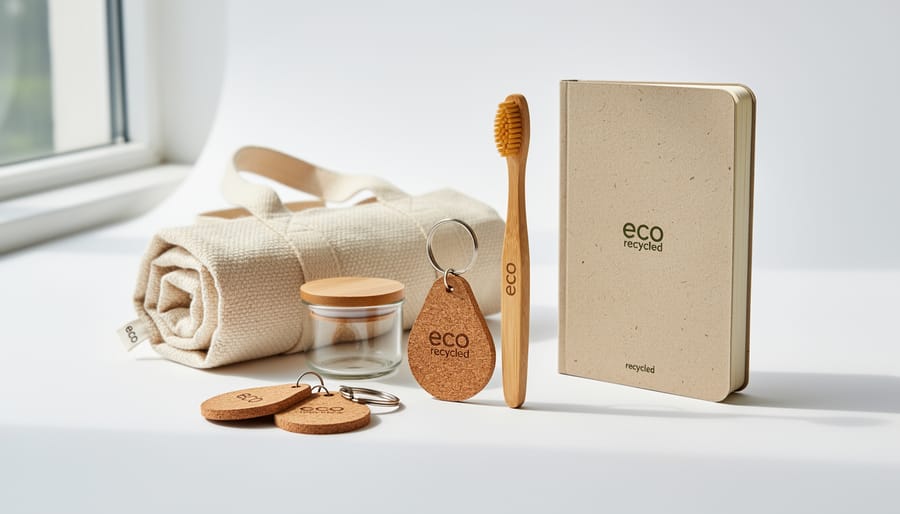
What Makes These Products Truly Eco-Friendly
Not all products wearing a green label are created equal. Here’s how to spot the real environmental champions from the imposters just riding the sustainability wave.
Genuinely eco-friendly products start their journey with transparent sourcing. When companies openly share where their materials come from—whether it’s reclaimed ocean plastic, sustainably harvested wood, or certified organic cotton—you’re looking at a brand that has nothing to hide. The best manufacturers trace every step of their supply chain, from raw material to finished product. Take patio furniture production from recycled plastics, for instance—companies that detail exactly how many plastic bottles go into each chair and where those bottles originated are showing real commitment.
Production processes matter just as much as materials. Look for brands that minimize water usage, rely on renewable energy, and avoid toxic chemicals during manufacturing. Many family-owned businesses have perfected traditional techniques that naturally reduce environmental impact because they’ve been passed down through generations focused on quality over quantity.
The longevity factor separates truly sustainable products from disposable greenwashed alternatives. A product designed to last decades, even if it costs more upfront, beats a cheaper version you’ll replace repeatedly. This is where craftsmanship shines—items built with repairable designs, replaceable parts, and timeless aesthetics keep resources out of landfills.
End-of-life planning reveals a company’s true environmental values. The best eco-friendly products either decompose naturally, like compostable packaging, or can be fully recycled back into new products. Some innovative companies even offer take-back programs, ensuring their products never become waste.
Finally, look for measurable environmental benefits. Vague claims like “earth-friendly” mean little without data. Products reducing carbon emissions by specific percentages, diverting quantifiable amounts of waste from landfills, or conserving measurable water volumes demonstrate authentic impact you can believe in.
From Family Garage to Global Impact
Some of the most inspiring eco-friendly products on the market today didn’t start in corporate boardrooms or massive factories. They began in family garages, backyard workshops, and small community spaces where passionate individuals decided to turn their environmental concerns into action.
Take the story of several pioneering families who started sustainable furniture manufacturing operations from their homes. What began as collecting plastic waste from local beaches and neighborhoods evolved into sophisticated production systems that now process tons of recyclable materials monthly. These family ventures proved that you don’t need millions in startup capital to make a difference—just creativity, determination, and a commitment to the planet.
The beauty of these success stories lies in their replicability. Many of these businesses openly share their processes, creating networks of small-scale eco-entrepreneurs worldwide. They’ve partnered with municipal recycling programs, schools, and environmental organizations to create collection systems that feed their production lines while cleaning up communities.
These family-run operations demonstrate that sustainable business models actually work financially. By keeping operations lean, focusing on local materials, and building genuine connections with environmentally conscious customers, they’ve achieved profitability while staying true to their values. Their children often join the business, creating multi-generational commitments to environmental stewardship.
What makes these stories truly powerful is their message: you can start small and still create meaningful change. Whether it’s transforming ocean plastic into outdoor furniture or converting agricultural waste into household products, these families show that global impact begins with local action and personal dedication.
The beauty of eco-friendly products is that they’re not some far-off dream or abstract idea—they’re real items you can hold in your hands, use in your daily life, and feel good about bringing into your home. From the dining table where your family gathers to the raised bed where you grow tomatoes, these products prove that sustainable living isn’t about sacrifice. It’s about making thoughtful choices that ripple outward in ways we might not immediately see.
Every time you choose a piece of reclaimed wood furniture or a plant-based accessory, you’re casting a vote for cleaner production methods. You’re supporting craftspeople and family businesses who’ve dedicated themselves to working with the earth rather than against it. You’re keeping materials out of landfills and reducing the demand for resource-intensive manufacturing processes.
Here’s the inspiring truth: we don’t need everyone doing sustainability perfectly. We need millions of people doing it imperfectly. Your single purchase might seem small, but when multiplied across communities and generations, these choices create the momentum for real change. Start with one eco-friendly product that speaks to you, and watch how that decision naturally leads to the next. The planet you’re helping to protect will thank you for it.