Impervious vs. Pervious Surfaces: Key Differences and Which Fits Your Outdoor Space
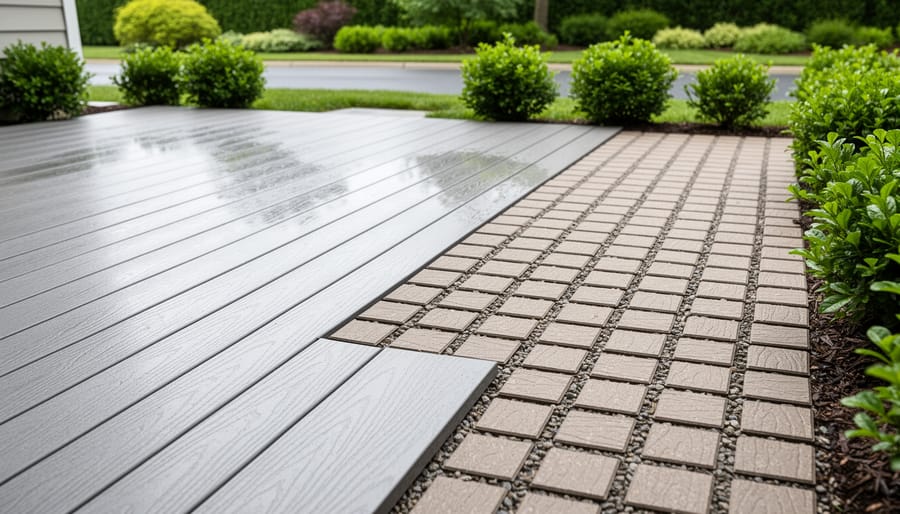
For most homeowners planning a new patio, driveway, or deck in 2026, impervious surfaces made from recycled plastic lumber deliver the best low-maintenance performance, outlasting pervious options by decades with virtually no upkeep. The reason is simple: impervious materials don’t absorb water, resist mold and rot completely, and need only occasional hosing down, while pervious surfaces require regular cleaning, resealing, and repairs as moisture and debris work their way into porous structures.
But here’s where the decision gets interesting. The surface you choose isn’t just about convenience. It shapes how rainwater moves across your property, affects local ecosystems, and determines whether you’ll spend your weekends enjoying your outdoor space or maintaining it.
We’ve spent years helping families understand this choice at our family business, and we’ve seen firsthand how the right surface transforms backyards. Impervious options create clean, defined spaces that shed water quickly and stay pristine year after year. Pervious surfaces allow water to filter through, reducing runoff and recharging groundwater, but they demand consistent attention to prevent clogging and deterioration.
The good news? You don’t have to sacrifice environmental responsibility for ease of care. Modern recycled plastic impervious surfaces combine the durability and simplicity homeowners love with genuine sustainability, diverting thousands of pounds of plastic waste from landfills while creating outdoor spaces that last generations. Understanding the practical differences between these two approaches will help you build the low-maintenance, eco-conscious outdoor area you’ve been envisioning.
At-a-Glance: Impervious vs. Pervious Surface Comparison
Before we explore the details, here’s a snapshot of how these two surface types stack up. This quick comparison will help you see at a glance which characteristics matter most for your outdoor project.
| Feature | Impervious Surfaces | Pervious Surfaces |
|---|---|---|
| Water Permeability | Blocks water; creates runoff | Allows water to filter through to soil |
| Maintenance Needs | Minimal upkeep, especially recycled plastic options | Regular cleaning required to prevent clogging |
| Durability | Highly durable; recycled plastic resists rot and UV damage | Variable; prone to settling and surface breakdown |
| Environmental Impact | Runoff concerns offset by recycled material benefits | Excellent stormwater management |
| Best Uses | Patios, decking, furniture platforms, high-traffic areas | Driveways, garden paths, drainage-critical zones |
Each surface type brings distinct advantages depending on your priorities. If you’re after a set-it-and-forget-it outdoor living space that won’t demand weekend after weekend of maintenance, impervious surfaces shine. Pervious options excel when water management takes center stage and you’re willing to invest time in ongoing care to keep those drainage pathways open and functioning.
What Each Surface Type Is
Understanding Impervious Surfaces
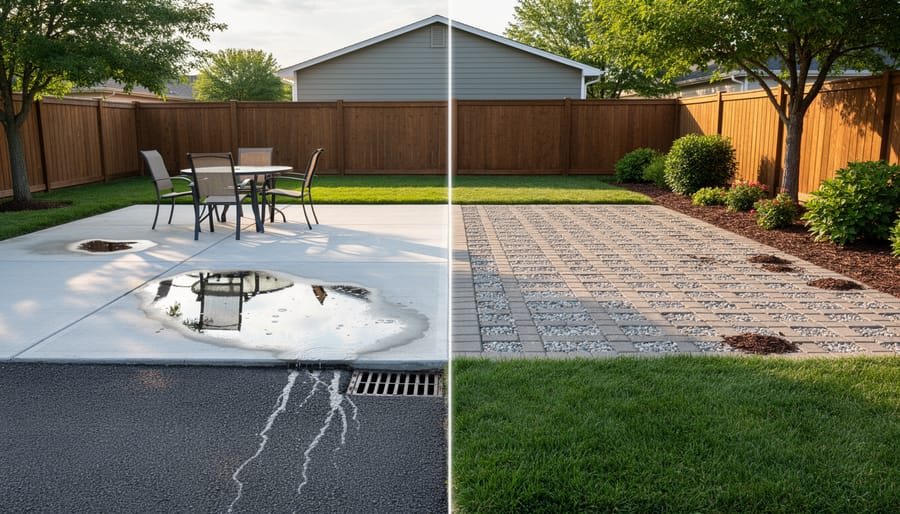
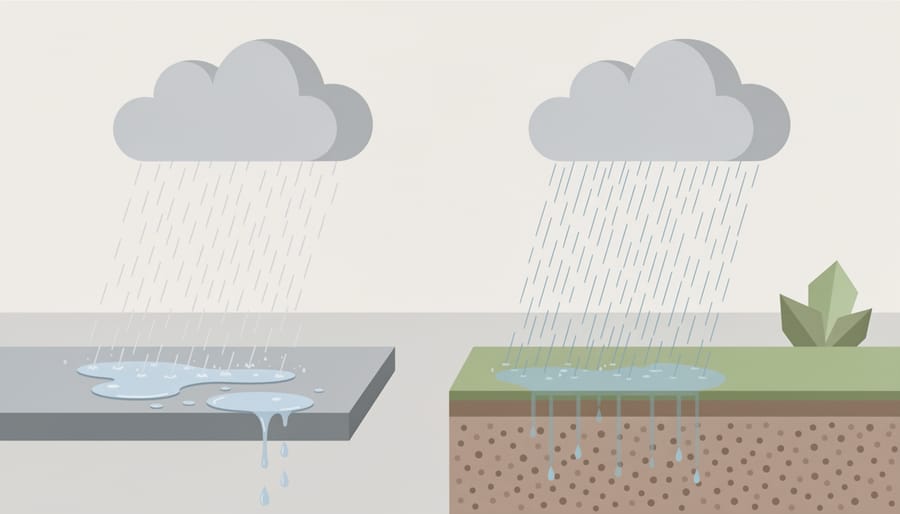
Impervious surfaces are materials that prevent water from passing through or being absorbed into the ground beneath them. When rainwater hits these surfaces, it runs off rather than soaking in, a fundamental characteristic that distinguishes them from their pervious counterparts. Common examples include concrete sidewalks and patios, asphalt driveways, traditional composite decking, and an increasingly popular option: lumber made from recycled plastics.
Understanding why impervious surfaces block water starts with their composition. Concrete, for instance, is manufactured by mixing cement, aggregates, and water into a dense, hardened mass that leaves virtually no space for water penetration. Asphalt follows a similar principle, binding stone and sand with petroleum-based binders. Traditional plastics create complete barriers due to their molecular structure.
Recycled plastic lumber represents a different manufacturing story, one our family business knows intimately. This material transforms post-consumer waste (think milk jugs, detergent bottles, and ocean-bound plastics) into durable outdoor surfaces through a process of cleaning, shredding, and heat-fusion. The recycled plastic journey from waste stream to backyard creates impervious surfaces with exceptional longevity while diverting thousands of pounds of plastic from landfills and oceans.
- Impermeability
- The inability of a material to allow liquids or gases to pass through its structure, measured by how completely it blocks water infiltration.
- Runoff Coefficient
- A numerical value representing the percentage of rainfall that flows off a surface rather than being absorbed, with impervious materials approaching 1.0 (100% runoff).
- Non-Porous Materials
- Solid surfaces without interconnected spaces or holes that would permit water movement, including concrete, asphalt, and most plastics.
- Recycled Plastic Composites
- Engineered materials created by fusing post-consumer plastic waste into dense, weather-resistant boards used for decking, furniture, and outdoor surfaces.
These fundamental characteristics, complete water resistance, dense composition, and minimal porosity, make impervious surfaces ideal for outdoor living areas where you want control over water, zero weed growth, and surfaces that stay dry and usable immediately after rain.
Understanding Pervious Surfaces
Pervious surfaces work on a fundamentally different principle, they’re designed to let water pass through rather than resist it. Materials like permeable pavers, porous concrete, gravel driveways, and even natural ground cover allow rainwater to filter down into the soil below instead of running off into storm drains.
The engineering behind these surfaces is straightforward: they incorporate spaces, gaps, or porous structures that create pathways for water movement. Permeable pavers might have wide joints filled with gravel between solid stones. Porous concrete uses a special mix with larger aggregate and less sand, creating interconnected air pockets throughout. Gravel simply provides natural gaps between stones. Studies show permeable pavement infiltrates significant amounts of stormwater, reducing runoff that can overwhelm drainage systems.
The primary purpose of pervious surfaces isn’t structural strength or creating clean, defined outdoor living spaces, it’s environmental water management. They help recharge groundwater, reduce flooding, filter pollutants before they reach waterways, and minimize the urban heat island effect. In neighborhoods with drainage issues or areas subject to stormwater regulations, these surfaces can be valuable tools.
Think of pervious surfaces as active participants in the natural water cycle, working to return rainfall to the earth rather than channeling it away. This makes them particularly useful in specific applications where water infiltration is the priority.
Comparing Impervious and Pervious Surfaces: What Really Matters
Maintenance Requirements and Long-Term Care
The maintenance gap between impervious and pervious surfaces becomes strikingly clear once you’ve owned either for a full season. Impervious surfaces, especially those crafted from recycled plastic, demand remarkably little from you. No annual sealing. No staining every few years. No scraping out weeds from cracks each spring. You simply hose them down when they get dusty or dirty, and they’re ready for another gathering on your patio or another weekend lounging in outdoor furniture.
Pervious surfaces tell a different story. They’re engineered to let water through, which means those tiny channels and pores must stay open to function properly. When leaves, dirt, sediment, and organic debris accumulate, and they will, the surface gradually loses its permeability. Regular maintenance prevents clogging and preserves drainage effectiveness, but it requires commitment. You’ll need a pressure washer or vacuum sweeper designed for permeable surfaces, ideally twice a year at minimum.
Here’s what a typical year looks like for each:
- Impervious recycled plastic: Occasional washing with soap and water, check for debris accumulation
- Traditional impervious (concrete/asphalt): Sealing every 2-3 years, crack filling, weed control in joints, stain treatment
- Pervious surfaces: Spring and fall vacuuming or pressure washing, sediment removal, joint material replenishment, drainage testing
We’ve watched customers return year after year, and the ones who chose recycled plastic impervious surfaces consistently report the same thing: they’re actually using their outdoor spaces more because they’re not spending weekends maintaining them. One family told us their old concrete patio consumed entire Saturdays with sealing and repairs. Their recycled plastic deck? Ten minutes with a garden hose, maybe three times a summer. That’s the low-maintenance advantage translating directly into more time outdoors with the people you care about.
Durability and Lifespan
Impervious surfaces typically outlast pervious alternatives by significant margins. Traditional concrete can crack within 5-10 years from freeze-thaw cycles, while asphalt develops surface deterioration even faster under UV exposure and temperature swings. Pervious surfaces face additional challenges: their drainage channels clog with sediment, grass pavers require ongoing plant maintenance, and porous concrete often needs replacement within 15-20 years as infiltration capacity diminishes.
Recycled plastic impervious surfaces change this durability equation entirely. The plastic durability engineered into these materials resists the common failure modes that plague other options. Unlike wood-based surfaces, recycled plastic won’t rot, splinter, or harbor insects. It shrugs off moisture that would destroy conventional materials, making it ideal for coastal environments where salt spray accelerates deterioration.
UV stabilizers built into quality recycled plastic products prevent the fading and brittleness that affect cheaper plastics and traditional impervious materials. Where concrete cracks and settles unevenly, properly installed recycled plastic platforms maintain their integrity for 30-50 years with minimal intervention. The material doesn’t require the periodic sealing that stone or concrete demands, and it won’t heave or shift like poorly maintained pervious pavers.
This longevity translates to fewer replacements over your lifetime, a genuine environmental win that compounds the initial benefit of diverting plastic waste from landfills.
Water Management and Environmental Impact
Water management tells one part of the environmental story, while material sourcing completes the picture. Pervious surfaces excel at managing stormwater runoff by allowing rainwater to filter naturally through the material into the ground below. This reduces pressure on municipal drainage systems, replenishes groundwater, and helps prevent flooding during heavy rainfall. For properties in areas with strict stormwater regulations or natural drainage challenges, this functionality offers genuine environmental benefits.
Traditional impervious surfaces create the opposite effect. Concrete patios and asphalt driveways force water to run off into storm drains, carrying pollutants and overwhelming drainage infrastructure during storms. This runoff challenge has given all impervious materials an environmental black eye, but the full picture is more nuanced.
Recycled plastic impervious surfaces address a parallel environmental crisis that often gets overlooked in the water management discussion. Every square foot of decking or furniture platform made from recycled materials represents plastic diverted from landfills and oceans. The journey from ocean waste to backyard transforms materials that would persist in ecosystems for centuries into functional outdoor living spaces. Unlike virgin plastic or pressure-treated lumber, these surfaces give existing waste a decades-long second life.
Smart environmental stewardship means thinking strategically about placement. Use pervious surfaces where water infiltration matters, pathways, side yards, and areas prone to puddling. Choose recycled plastic impervious surfaces for high-use outdoor living areas, furniture platforms, and spaces where you want zero maintenance and maximum durability. This combination delivers both effective water management and meaningful waste reduction, rather than treating environmental responsibility as an either-or choice.
Installation and Cost Considerations
Installing impervious surfaces typically costs more upfront than basic pervious options like gravel or mulch, but the price gap narrows when comparing quality materials. Concrete and asphalt run $3, $10 per square foot installed, while permeable pavers range from $10, $25. Recycled plastic decking and platforms fall in the $8, $15 range, competitive with mid-tier options but delivering superior longevity.
Installation complexity varies significantly. Pervious surfaces demand precise grading, drainage layers, and edge restraints to function properly. Mistakes compromise their permeability, requiring costly repairs. Impervious recycled plastic materials install straightforwardly using standard carpentry tools and techniques, with fewer variables to manage.
The real financial advantage emerges over time. Pervious surfaces need regular maintenance, power washing to clear clogged pores, replacing aggregate, releveling settled areas, adding hundreds in annual costs. They may need complete replacement within 15-20 years as drainage capacity fails.
Recycled plastic impervious surfaces eliminate these expenses. No sealing, no aggregate replacement, no drainage restoration. The material we’ve watched perform for decades requires only occasional soap-and-water cleaning. That initial investment stretches across 50-plus years without significant additional spending, making the per-year cost remarkably low and the total ownership value exceptional.
The Impervious and Low-Maintenance Advantage: Why It Matters for Your Outdoor Space
Impervious surfaces made from recycled plastic materials deliver something homeowners desperately want: more time to enjoy their outdoor spaces instead of maintaining them. Unlike wood decking that demands annual staining or pervious pavers that need seasonal cleaning to prevent clogging, recycled plastic platforms and furniture bases simply don’t require ongoing treatments. Rain washes them clean. There’s no sealing, no sanding, no weeding between boards.
When our family business started experimenting with recycled ocean plastics in the early 2000s, we honestly didn’t expect the maintenance advantage to be so dramatic. We were focused on environmental impact, keeping waste out of landfills and waterways. But our own product testing revealed something equally valuable: these surfaces just kept performing, year after year, without the upkeep rituals that consume summer weekends. A deck we installed at our workshop in 2007 still looks remarkably good today, with nothing more than an occasional hose-down.
This matters profoundly for modern lifestyles. Families juggling work, kids, and other commitments don’t want their precious outdoor time consumed by maintenance schedules. Recycled plastic impervious surfaces resist UV degradation, won’t splinter or rot, and shrug off wine spills and grease drips that would stain natural materials permanently. You can position recycled decor pieces directly on these platforms without worrying about moisture damage or ground contact issues.
The environmental alignment makes this even better. You’re choosing surfaces that required no new petroleum extraction or tree harvesting, that will last decades with minimal resource inputs, and that prove sustainability doesn’t mean sacrificing convenience. Low-maintenance and eco-conscious turn out to be natural partners, both reduce waste, both respect your time, both create outdoor spaces that genuinely enhance your life rather than demanding endless attention.
Who Should Choose Which Surface Type
Best Applications for Impervious Surfaces
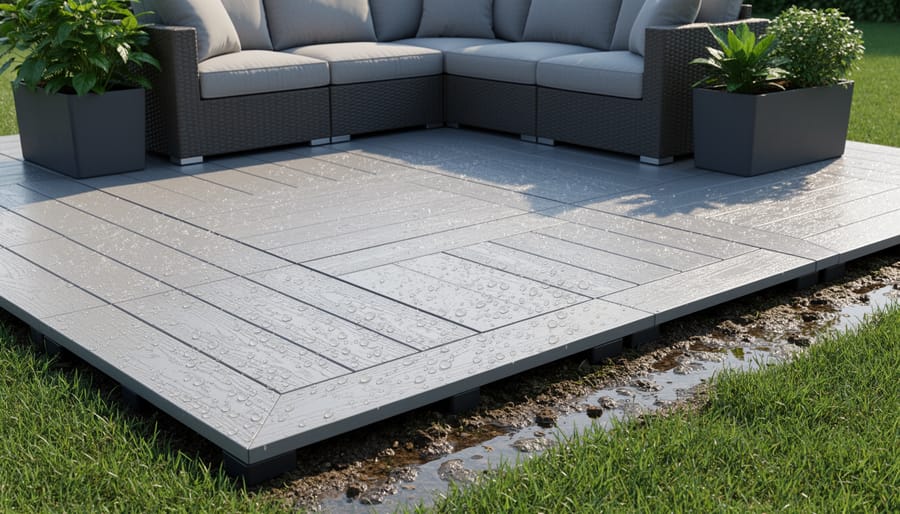
Impervious surfaces shine in situations where you need reliability, cleanliness, and minimal fuss. High-traffic outdoor living areas, think patios where family and friends gather regularly, benefit enormously from surfaces that won’t crack, settle, or sprout weeds between pavers. For furniture platforms and outdoor decor ideas that need stable, level foundations, impervious recycled plastic creates the perfect base that won’t shift or degrade over time.
Decking is another natural application. Recycled plastic decking resists moisture damage, splintering, and warping while requiring none of the sanding, staining, or sealing that wood demands. You simply rinse it clean when needed and enjoy decades of use.
Coastal properties face particular challenges, salt air, intense sun, and moisture. Impervious recycled plastic surfaces handle these conditions without corroding, fading significantly, or breeding mold. Similarly, regions with extreme weather fluctuations benefit from materials that expand and contract minimally and don’t crack from freeze-thaw cycles.
When you want absolutely zero plant growth, perhaps around pool areas, beneath outdoor kitchens, or on rooftop spaces, impervious surfaces eliminate the maintenance headache. No weeding, no root damage, no herbicide applications. For environmentally conscious homeowners, choosing recycled plastic impervious materials means you’re getting all these practical advantages while supporting ocean and landfill waste diversion.
Best Applications for Pervious Surfaces
Pervious surfaces shine in situations where managing stormwater naturally matters most. If your property struggles with drainage issues, standing water after rain, soggy patches that won’t dry, or runoff that floods neighboring areas, permeable materials offer a practical fix by letting water filter into the ground where it falls.
Driveways and parking areas represent ideal pervious applications. Vehicles don’t need the same finished aesthetic as outdoor living spaces, and permeable pavers or porous concrete handle tire traffic while reducing the massive runoff typical of traditional asphalt. Many municipalities now offer incentives or even require pervious surfaces for new driveways to ease strain on storm sewer systems.
Garden pathways work beautifully with gravel or permeable pavers. Water reaches plant roots instead of running off, and you avoid the heat retention that solid surfaces create around delicate plantings. The natural look blends into landscaping rather than fighting it.
Properties facing stormwater regulations, particularly in environmentally sensitive areas near waterways or wetlands, may find pervious surfaces aren’t just beneficial but mandatory. Check local codes before planning any hardscaping project, as some jurisdictions limit impervious coverage to protect water quality and reduce flooding downstream.
Common Questions About Impervious and Pervious Surfaces
Can I combine impervious and pervious surfaces in the same outdoor space?
Absolutely, many homeowners use both strategically. Try impervious recycled plastic decking or furniture platforms for your main living areas where you want zero maintenance, then incorporate pervious surfaces for pathways or areas surrounding plantings where water infiltration helps.
Do impervious recycled plastic surfaces get uncomfortably hot in summer?
Quality recycled plastic products are engineered to resist heat absorption better than traditional plastics or dark asphalt. They’ll warm in direct sun like any outdoor surface, but they cool down quickly and won’t scorch bare feet the way metal or some composite materials can.
How should I clean each surface type?
Impervious recycled plastic needs just soap and water, no special treatments or sealers. Pervious surfaces require more attention: you’ll need to flush them periodically with water or a pressure washer to prevent the pores from clogging with dirt and debris, which defeats their drainage purpose.
Which surface handles freeze-thaw cycles better?
Recycled plastic impervious surfaces excel here because they don’t crack, splinter, or deteriorate when water freezes and expands. Pervious concrete and some permeable pavers can break down over time in harsh freeze-thaw climates, requiring repairs or replacement.
When you’re considering recycled plastic products, look for manufacturers who share their environmental story transparently. Our family business, for instance, has always believed you should know exactly what waste stream your outdoor furniture came from, whether that’s ocean-bound plastics or post-consumer bottles. Some products carry certifications verifying recycled content percentages, which helps you make genuinely sustainable choices rather than falling for greenwashing claims.
The beauty of today’s recycled plastic options is that you’re not sacrificing performance for environmental responsibility. You get a surface that manages weather extremes, resists stains and mold, never needs refinishing, and keeps thousands of pounds of plastic out of landfills and waterways. That’s the kind of practical sustainability that fits real life, not just good intentions.
What Each Option Is
Before diving into detailed comparisons, let’s establish what we’re actually talking about when we discuss impervious and pervious surfaces.
An impervious surface is any material that prevents water from soaking into the ground beneath it. Think of traditional concrete patios, asphalt driveways, or sealed decking, when rain falls, it runs off rather than seeping through. Modern recycled plastic lumber and outdoor furniture platforms also fall into this category, creating solid, water-resistant surfaces that shed moisture while transforming what would otherwise be ocean-bound waste into durable outdoor solutions.
Pervious surfaces work the opposite way. Also called permeable or porous surfaces, they’re designed with intentional gaps or absorbent properties that let water filter through to the soil below. Permeable pavers with spacing between stones, gravel pathways, porous concrete formulated with larger aggregate, and specialized grid systems filled with grass all qualify as pervious surfaces. Their primary purpose is managing stormwater right where it falls rather than creating runoff.
Both surface types have legitimate roles in outdoor spaces, the key is matching each to the right application.
Dimension-by-Dimension Comparison
When choosing between impervious and pervious surfaces, several key factors shape your decision and long-term satisfaction.
Water handling sits at the core difference. Pervious surfaces allow rainfall to soak through, reducing runoff and recharging groundwater. Impervious surfaces shed water quickly, directing it elsewhere, which works perfectly for areas where you don’t want standing moisture near outdoor furniture or gathering spaces.
Maintenance demands tell a revealing story. Pervious surfaces need regular attention: sweeping to prevent sediment buildup, occasional power washing, and sometimes vacuum cleaning to keep pores open. Impervious recycled plastic surfaces? A quick rinse handles most cleaning, with no sealing or treatments required year after year.
Durability separates short-term fixes from lasting investments. Traditional pervious materials can settle unevenly or clog over time. Impervious recycled plastic resists cracking, won’t splinter, and handles freeze-thaw cycles without the deterioration that plagues concrete or asphalt.
Environmental footprint matters differently for each. Pervious surfaces excel at stormwater management. Impervious recycled plastic surfaces divert thousands of pounds of waste from landfills while creating spaces that last generations without replacement.
Choosing between impervious and pervious surfaces isn’t about finding a universal “best” option, it’s about matching the right material to your specific outdoor space and priorities. If stormwater management tops your list and local regulations demand it, pervious surfaces make sense for certain areas. But for the patios, decks, and outdoor living spaces where you actually spend time with family and friends, impervious surfaces deliver unmatched practicality.
We’ve seen firsthand how recycled plastic impervious surfaces transform outdoor living. No weekend hours spent staining, sealing, or pulling weeds between pavers. No worrying about cracking, splintering, or constant replacement. Just durable, beautiful spaces that let you focus on what matters, gathering around the table, watching kids play, enjoying the outdoors without the endless upkeep.
What makes this choice even better? You’re not compromising environmental values for convenience. Every recycled plastic board or piece of furniture represents waste diverted from landfills and oceans, given new purpose in your backyard. That’s the commitment our family built this business on: proving sustainability and ease can work together. Your surface choice shapes both your daily life and your environmental footprint. Choose materials that honor both.
Leave a Reply