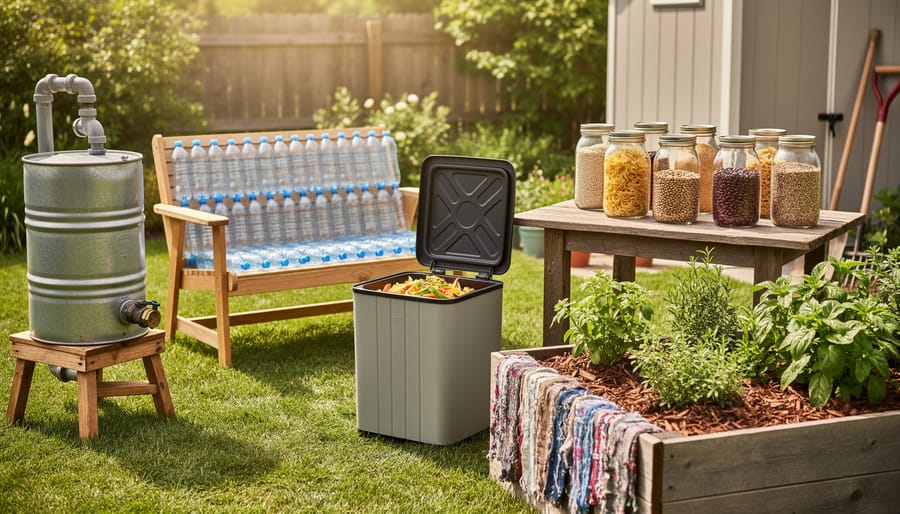
5 Ways to Reduce Trash by Turning It Into Resources
You can slash your household waste by up to 70% in 2026 by transforming five common trash streams into valuable resources: turning plastic waste into outdoor furniture, converting food scraps into compost, repurposing containers for storage, using old textiles in your garden, and building rain barrels from reclaimed materials. These aren’t complicated recycling schemes or wishful thinking. They’re practical techniques our family business has refined over years of helping homeowners see trash as raw material rather than something destined for landfills.
The average American generates about 4.5 pounds of waste daily, but most of that never needed to become trash in the first place. Walk through any home and you’ll find plastic bottles that could become deck chairs, vegetable peelings that belong in a compost bin, glass jars perfect for pantry organization, worn-out clothes ready for mulch duty, and barrels waiting to catch rainwater. Each of these waste streams represents both an environmental problem and an untapped opportunity.
We chose these five methods because they address the biggest contributors to household waste while requiring minimal investment or technical skill. More importantly, they create something genuinely useful rather than simply delaying the trip to the dump. A plastic bottle transformed into furniture serves your family for decades. Food scraps become soil that grows tomorrow’s vegetables. That’s the difference between managing waste and eliminating it.
The strategies ahead work whether you live in a sprawling suburban home with a big backyard or a compact urban space with a balcony. Some take minutes to start, others require a weekend afternoon, but all deliver immediate results you can see and use. The environmental impact adds up quickly: less methane from landfills, fewer raw materials extracted, reduced transportation emissions, and proof that one household genuinely can make a difference.
Why Turning Trash Into Resources Matters More Than Ever
The average American generates over 4.5 pounds of trash daily, with roughly 75% of that heading straight to landfills when it could become something useful instead. We chose these five methods because they meet three critical tests: they’re practical enough for anyone to start today, they create real value you can see and use, and they keep materials circulating rather than buried in the ground.
Each method we selected demonstrates how ordinary households can turn trash into treasure through accessible techniques that align with circular economy principles. Rather than extracting, using, and discarding, the circular approach keeps materials in play, extracting maximum value before they ever reach their end of life. This matters more now because landfill space is running out in many regions, and virgin material extraction carries steep environmental costs, from carbon emissions to habitat destruction.
The five approaches ahead range from composting food scraps that would otherwise produce methane in landfills to transforming plastic waste into furniture that lasts decades outdoors. Some take minutes to implement, others require a weekend project, but all share one trait: they prove waste is simply a resource in the wrong place, waiting for someone to recognize its potential.
1. Transform Plastic Waste Into Durable Outdoor Furniture
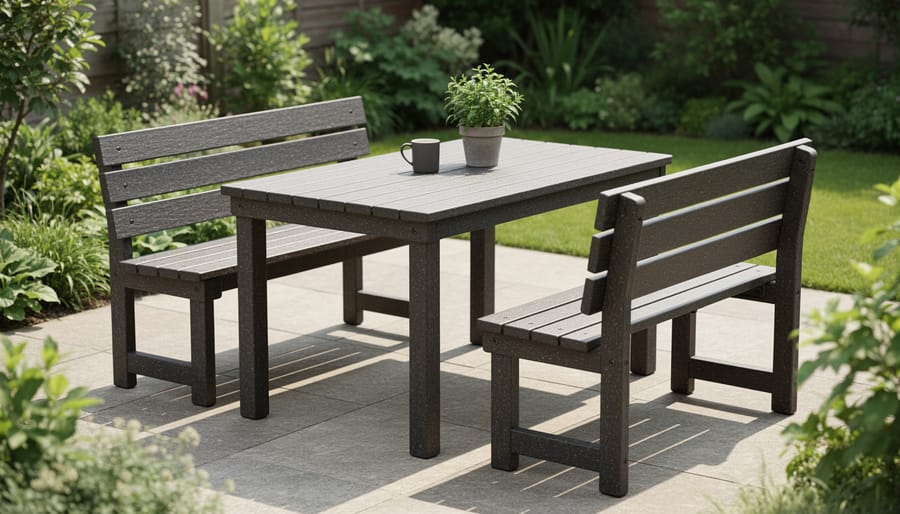
The plastic bottles you toss in the bin today could sit in a landfill for centuries, or they could become a chair for your deck. When our family business started decades ago, we collected discarded milk jugs and soda bottles from local neighborhoods, cleaned them, and experimented with turning that waste into something useful. That small-scale operation taught us which plastics work best for outdoor applications and how the plastic to patio furniture transformation actually happens.
High-density polyethylene (HDPE) from milk jugs and detergent bottles is ideal because it withstands weather without breaking down. Polyethylene terephthalate (PET) from water bottles also works well when properly processed. These polymers are collected, sorted by type, thoroughly cleaned to remove labels and contaminants, then shredded into flakes. The flakes get melted and molded into lumber-like boards or formed directly into furniture shapes. The process requires heat and pressure but no harmful chemicals.
What makes this method powerful is plastic durability. Unlike wood, recycled plastic furniture resists rot, splintering, and fading. It never needs staining or sealing. A single Adirondack chair diverts roughly 400 milk jugs from landfills and can last 20-plus years outdoors with zero maintenance beyond occasional washing.
You don’t need industrial equipment to participate. Many communities now have programs that channel collected plastics to manufacturers who handle the transformation, creating a direct path from ocean waste to backyard products. Supporting these products closes the loop, proving your discarded containers have genuine value worth recovering.
2. Create Nutrient-Rich Compost From Food Scraps
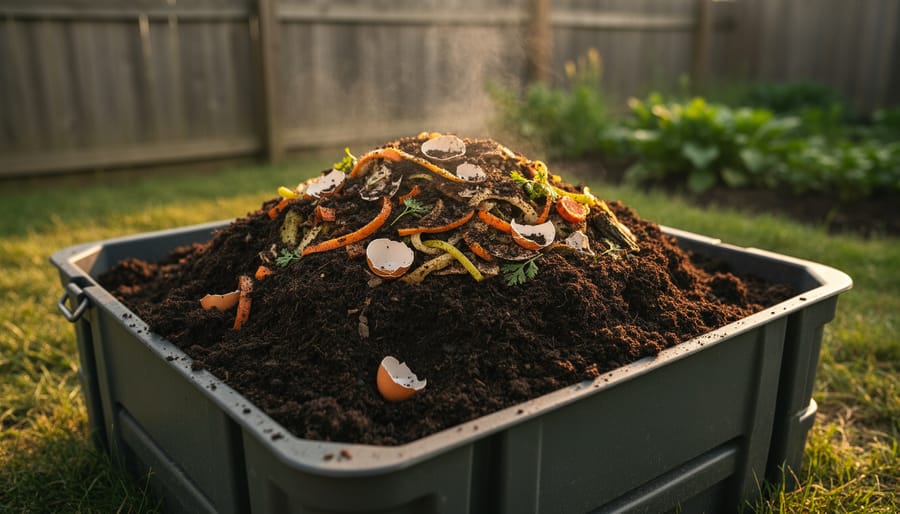
Your kitchen scraps and yard trimmings aren’t trash, they’re the foundation for some of the richest soil you’ll ever work with. Instead of sending banana peels and coffee grounds to a landfill where they’ll release methane, you can transform them into dark, crumbly compost that feeds your garden while cutting your household waste by about 30 percent.
Starting a compost system doesn’t require specialized equipment or a science degree. At its core, composting is just creating the right conditions for natural decomposition. You need three things: organic materials high in nitrogen (your “greens” like fruit scraps and fresh grass clippings), carbon-rich materials (your “browns” like dried leaves and cardboard), and moisture. Mix them together, keep the pile as damp as a wrung-out sponge, and turn it occasionally to introduce oxygen. Microorganisms and beneficial bacteria do the actual work, breaking everything down over a few months into finished compost.
What you can and cannot compost makes all the difference in your success:
- Compost freely: vegetable and fruit scraps, coffee grounds with filters, tea bags, eggshells, yard trimmings, shredded paper, cardboard
- Skip entirely: meat, dairy, oils, pet waste, diseased plants, weeds with seeds, treated wood
- Use sparingly: citrus peels and onions, which take longer to break down
The payoff extends beyond waste reduction. Finished compost improves soil structure so water drains better in clay and holds longer in sand. It feeds plants steadily without chemical fertilizers and helps suppress certain plant diseases. You’ve essentially closed a loop: the trimmings from last season’s tomatoes become the nutrition for this year’s crop. That’s the kind of sustainable cycle that makes outdoor living genuinely regenerative, and it all starts with a small bin and your dinner scraps.
3. Repurpose Glass and Metal Containers for Storage and Décor
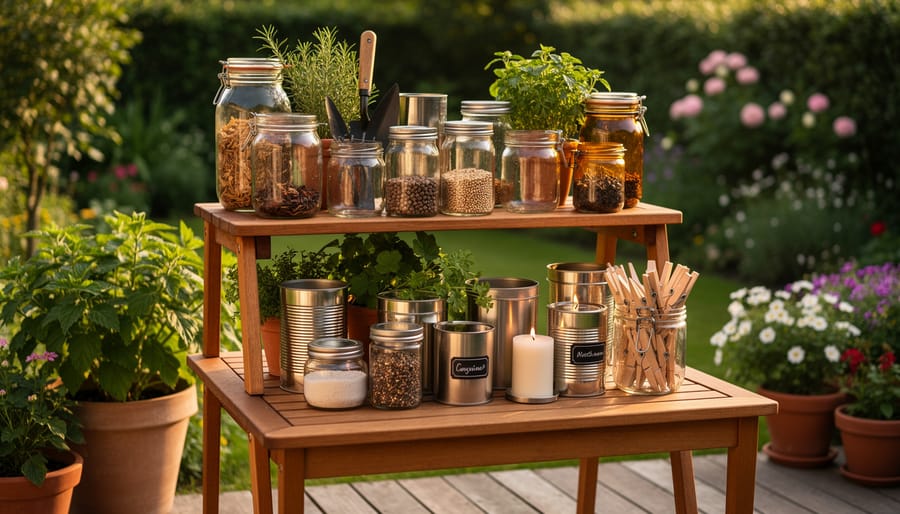
Every glass jar and metal tin you save from the trash becomes a versatile tool for organizing your outdoor spaces. These containers are perfect candidates for repurposing because they’re already designed to protect contents from moisture, pests, and temperature swings.
Start by thoroughly cleaning containers with hot, soapy water. For stubborn labels, soak jars in warm water with a splash of vinegar for twenty minutes, then scrub with a rough sponge. Metal tins might need extra attention around seams where residue hides. Once clean and dry, inspect for sharp edges or rust that could make them unsafe.
Glass jars excel at storing seeds, small garden tools, twine, and plant labels where you can see contents at a glance. Line them up on a potting bench or mount lids under shelves to create hanging storage that keeps screws and hardware organized. Metal tins work beautifully as compact planters for herbs on a sunny windowsill or small succulents along a porch railing. Their depth protects roots while drainage holes are easy to punch in the bottom.
The environmental math makes sense too. Manufacturing new glass requires temperatures above 2,600 degrees Fahrenheit, and metal production demands significant energy. When you reuse these containers instead of tossing them into recycling bins, you skip that entire energy-intensive remanufacturing process. A single pasta sauce jar can hold garden supplies for years, eliminating the need for plastic storage bins that eventually crack and break down.
4. Convert Textile Waste Into Garden Solutions
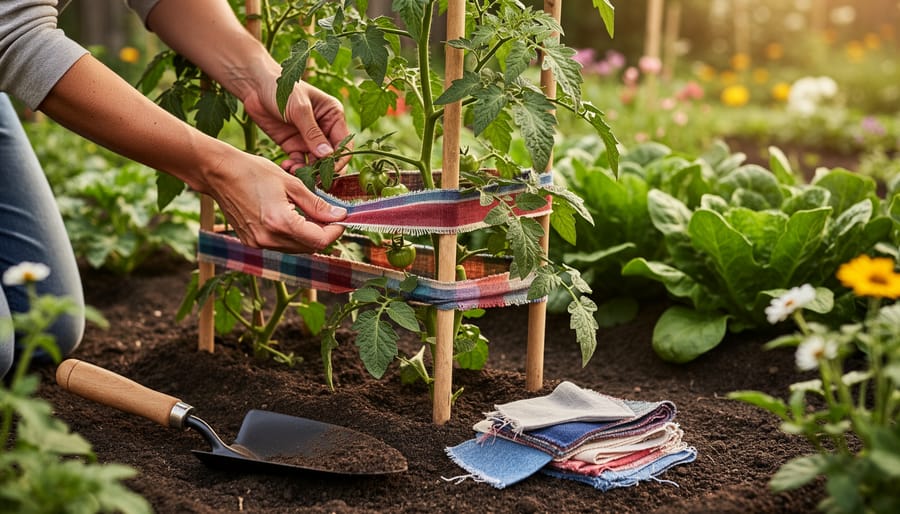
Old T-shirts, worn-out jeans, and frayed towels don’t have to end up in landfills. These everyday textiles can become surprisingly useful tools in your garden, tackling jobs from supporting climbing plants to protecting soil. Americans throw away more than 17 million tons of textile waste annually, with most headed straight to dumps where synthetic fabrics can take 200 years or more to break down. Your garden offers a perfect second life for these materials.
Cotton and linen fabrics work beautifully as soft plant ties that won’t damage delicate stems. Cut worn shirts or bedsheets into strips about an inch wide, and you’ve got gentle supports for tomatoes, beans, and flowering vines. Unlike plastic twist ties or wire that can cut into growing stems, fabric ties flex and expand as plants grow. Old wool sweaters, once felted in hot water, create excellent weed barriers for raised beds. Simply lay the dense fabric around plants to block light from reaching weed seeds while still allowing water to seep through.
Synthetic fabrics have their place too. Stuff old fleece jackets or polyester pillowcases into outdoor cushion covers for weather-resistant seating in your garden. Denim scraps laid in pathways slow erosion and suppress weeds in high-traffic areas. The heavy weight of jean material stands up to foot traffic better than lighter fabrics. Even shredded cotton T-shirts can bulk up your compost pile, adding carbon to balance nitrogen-rich kitchen scraps.
Before using any textile in your garden, give it a good wash to remove detergents, fabric softeners, and oils. Cut away buttons, zippers, and elastic bands since these won’t break down and can create hazards for soil life.
5. Build Rain Barrels and Planters From Reclaimed Materials
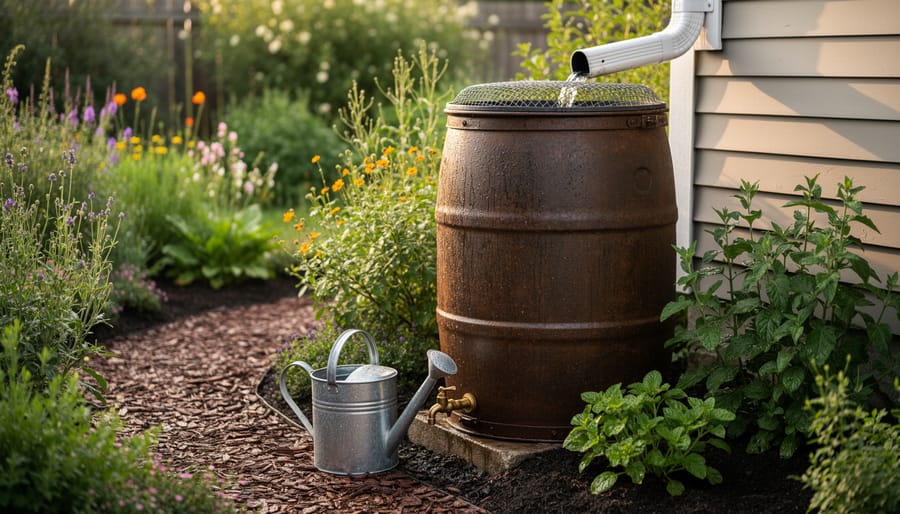
Discarded barrels and wooden pallets sitting behind restaurants, warehouses, or industrial facilities rarely end up in landfills when you know how to transform them. These overlooked materials become highly functional rain collection systems and elevated planters that serve your garden while saving thousands of gallons of water annually.
Start with food-grade plastic barrels, typically 55 gallons, available from beverage distributors or car washes for $10-20 each. Before use, thoroughly inspect for cracks and verify the barrel held only non-toxic contents, check the label or ask the source directly. Rinse multiple times with a vinegar solution, then drill a hole near the top for an overflow hose and install a spigot three inches from the bottom. Position your rain barrel under a downspout with a screen over the opening to keep debris and mosquitoes out. One barrel captures roughly 40 gallons from a single inch of rainfall on a standard roof.
For planters, untreated wooden pallets become elevated garden beds perfect for growing vegetables or herbs. Dismantle the pallet, keeping the longest boards intact, then reassemble into a box frame. Line with landscaping fabric to contain soil while allowing drainage. These raised beds improve accessibility, extend your growing season with better soil warming, and prevent an estimated 50 pounds of wood per pallet from reaching waste facilities.
Safety matters: avoid pallets stamped with “MB” (methyl bromide treatment) and stick with “HT” (heat-treated) or unmarked versions. Sand rough edges before assembly to prevent splinters during garden maintenance.
Common Questions About Turning Trash Into Resources
Are repurposed materials safe for food storage or outdoor use?
Glass jars and metal tins that originally held food are completely safe to clean and reuse for storage. For plastic furniture and rain barrels, stick with materials designated as food-safe if they’ll contact edibles or drinking water, and always research the original container’s purpose before converting it.
Where can I find discarded materials without buying new stuff?
Start with your own household waste, then check with neighbors, local restaurants for food scraps and containers, construction sites for pallets and wood, and community groups on social media where people often give away items they’d otherwise trash. Many businesses are happy to donate materials destined for the landfill.
Does my individual effort really make a difference?
One person diverting just five pounds of waste weekly from landfills prevents 260 pounds annually. When you share your projects with neighbors or on social media, you typically inspire three to five others to start similar practices, multiplying your impact exponentially.
How can I start with limited space or money?
Composting works in a small countertop bin, container repurposing costs nothing, and textile projects need only scissors and creativity. Pick whichever method fits your living situation and expand as you gain confidence.
These questions come up constantly when people first consider transforming their trash, and the answers are more encouraging than you might expect. The beauty of resource recovery is its flexibility, you can adapt every method to your circumstances, whether you’re in an apartment or on acreage. Your local recycling program can become a partner too. Many facilities will share information about what materials they struggle to process, pointing you toward waste streams ripe for creative reuse. Some even host workshops or provide discounted composting bins to residents committed to diversion efforts.
You don’t need specialized equipment or massive lifestyle changes to make a real difference. Our family started with a single truckload of discarded plastic bottles, and that small beginning grew into a mission that’s kept tons of waste out of landfills. Your journey can start just as simply.
Pick one method that fits your space and schedule. Maybe it’s saving glass jars for garden storage this week, or setting up a small compost bin next month. Each choice creates a ripple effect. When you transform yesterday’s trash into today’s useful resource, you’re joining a growing movement that proves waste isn’t the end of a material’s story, it’s just a transition point.
The planet doesn’t need perfection from you. It needs your participation. Start where you are, use what you have, and watch how quickly those small actions compound into meaningful environmental impact.