Archives October 2026

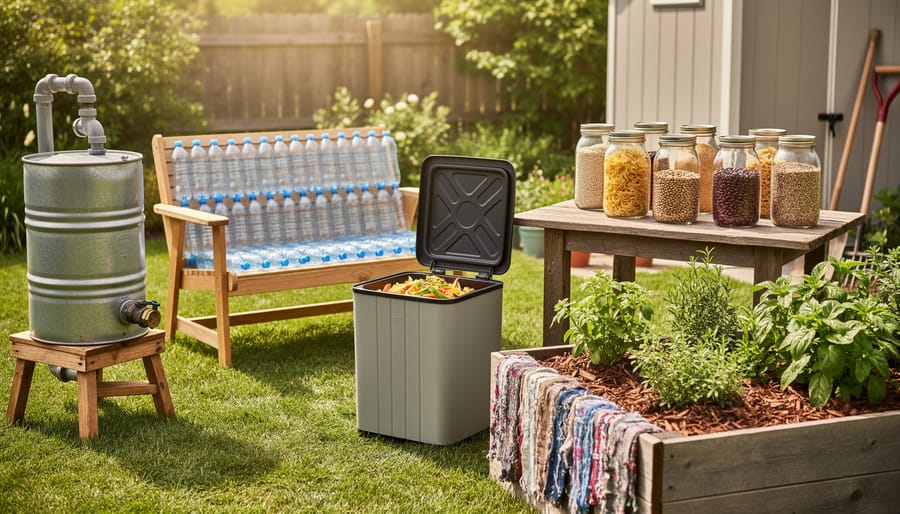
Sunlit backyard scene featuring a reclaimed rain barrel, a compost bin with food scraps, repurposed storage jars, plastic-bottle outdoor furniture, and a garden planter using old textiles.

5 Ways to Reduce Trash by Turning It Into Resources

You can slash your household waste by up to 70% in 2026 by transforming five common trash streams into valuable resources: turning plastic waste into outdoor furniture, converting food scraps into compost, repurposing containers for storage, using old textiles in your garden, and building rain barrels from reclaimed materials. These aren’t complicated recycling schemes or wishful thinking. They’re practical techniques our family business has refined over years of helping homeowners see trash as raw material rather than something destined for landfills.

The average American generates about 4.5 pounds of waste daily, but most of that never needed to become trash in the first place. Walk through any home and you’ll find plastic bottles that could become deck chairs, vegetable peelings that belong in a compost bin, glass jars perfect for pantry organization, worn-out clothes ready for mulch duty, and barrels waiting to catch rainwater. Each of these waste streams represents both an environmental problem and an untapped opportunity.

We chose these five methods because they address the biggest contributors to household waste while requiring minimal investment or technical skill. More importantly, they create something genuinely useful rather than simply delaying the trip to the dump. A plastic bottle transformed into furniture serves your family for decades. Food scraps become soil that grows tomorrow’s vegetables. That’s the difference between managing waste and eliminating it.

The strategies ahead work whether you live in a sprawling suburban home with a big backyard or a compact urban space with a balcony. Some take minutes to start, others require a weekend afternoon, but all deliver immediate results you can see and use. The environmental impact adds up quickly: less methane from landfills, fewer raw materials extracted, reduced transportation emissions, and proof that one household genuinely can make a difference.

Key Takeaway: Shifting from a disposal mindset to a resource recovery approach turns everyday waste into valuable materials, reducing landfill contributions while creating functional items for your home and garden, proving environmental responsibility and practical benefits go hand in hand.

Why Turning Trash Into Resources Matters More Than Ever

The average American generates over 4.5 pounds of trash daily, with roughly 75% of that heading straight to landfills when it could become something useful instead. We chose these five methods because they meet three critical tests: they’re practical enough for anyone to start today, they create real value you can see and use, and they keep materials circulating rather than buried in the ground.

Each method we selected demonstrates how ordinary households can turn trash into treasure through accessible techniques that align with circular economy principles. Rather than extracting, using, and discarding, the circular approach keeps materials in play, extracting maximum value before they ever reach their end of life. This matters more now because landfill space is running out in many regions, and virgin material extraction carries steep environmental costs, from carbon emissions to habitat destruction.

The five approaches ahead range from composting food scraps that would otherwise produce methane in landfills to transforming plastic waste into furniture that lasts decades outdoors. Some take minutes to implement, others require a weekend project, but all share one trait: they prove waste is simply a resource in the wrong place, waiting for someone to recognize its potential.

1. Transform Plastic Waste Into Durable Outdoor Furniture
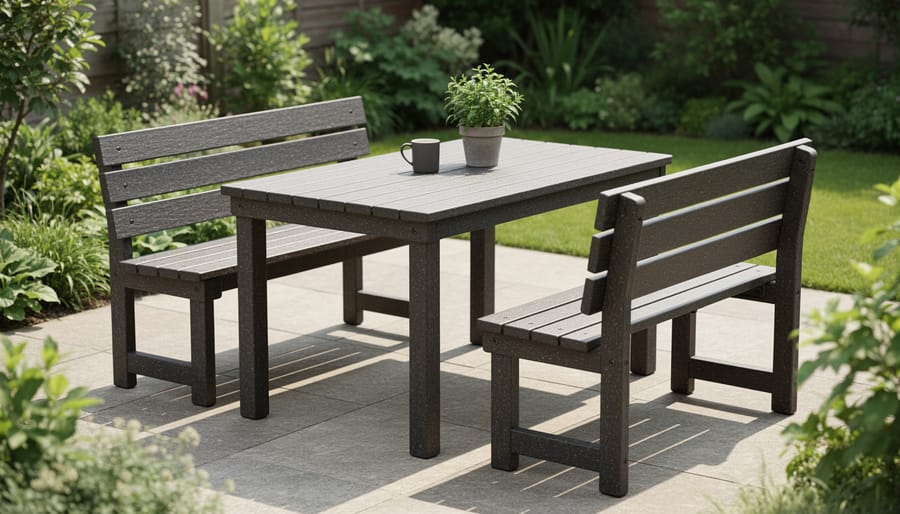
Upcycled plastic outdoor bench and side table on a sunny patio with greenery in the background
A durable outdoor bench and table made from reclaimed plastic show how waste can become long-lasting furniture for everyday living.

The plastic bottles you toss in the bin today could sit in a landfill for centuries, or they could become a chair for your deck. When our family business started decades ago, we collected discarded milk jugs and soda bottles from local neighborhoods, cleaned them, and experimented with turning that waste into something useful. That small-scale operation taught us which plastics work best for outdoor applications and how the plastic to patio furniture transformation actually happens.

High-density polyethylene (HDPE) from milk jugs and detergent bottles is ideal because it withstands weather without breaking down. Polyethylene terephthalate (PET) from water bottles also works well when properly processed. These polymers are collected, sorted by type, thoroughly cleaned to remove labels and contaminants, then shredded into flakes. The flakes get melted and molded into lumber-like boards or formed directly into furniture shapes. The process requires heat and pressure but no harmful chemicals.

What makes this method powerful is plastic durability. Unlike wood, recycled plastic furniture resists rot, splintering, and fading. It never needs staining or sealing. A single Adirondack chair diverts roughly 400 milk jugs from landfills and can last 20-plus years outdoors with zero maintenance beyond occasional washing.

You don’t need industrial equipment to participate. Many communities now have programs that channel collected plastics to manufacturers who handle the transformation, creating a direct path from ocean waste to backyard products. Supporting these products closes the loop, proving your discarded containers have genuine value worth recovering.

2. Create Nutrient-Rich Compost From Food Scraps
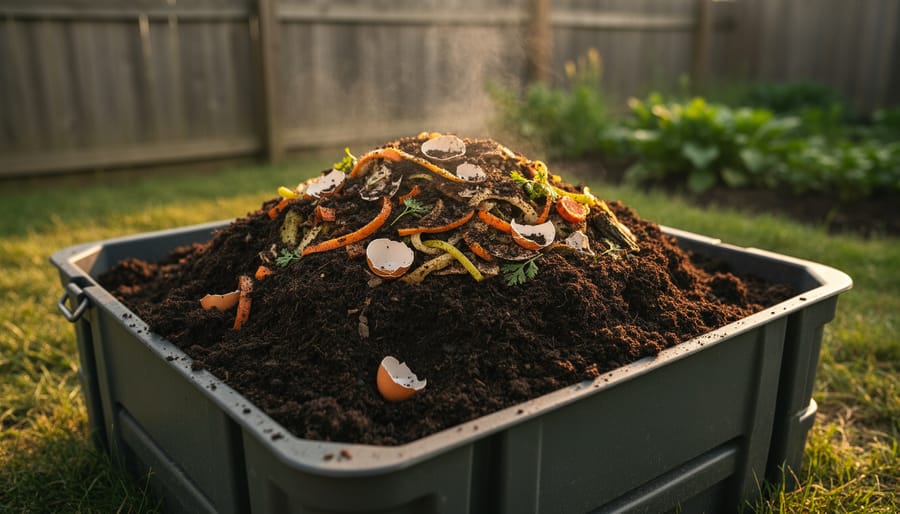
Close-up of nutrient-rich compost with visible food scraps in an outdoor compost bin
Dark, rich compost sitting in a backyard bin demonstrates how kitchen scraps can become soil nutrition.

Your kitchen scraps and yard trimmings aren’t trash, they’re the foundation for some of the richest soil you’ll ever work with. Instead of sending banana peels and coffee grounds to a landfill where they’ll release methane, you can transform them into dark, crumbly compost that feeds your garden while cutting your household waste by about 30 percent.

Starting a compost system doesn’t require specialized equipment or a science degree. At its core, composting is just creating the right conditions for natural decomposition. You need three things: organic materials high in nitrogen (your “greens” like fruit scraps and fresh grass clippings), carbon-rich materials (your “browns” like dried leaves and cardboard), and moisture. Mix them together, keep the pile as damp as a wrung-out sponge, and turn it occasionally to introduce oxygen. Microorganisms and beneficial bacteria do the actual work, breaking everything down over a few months into finished compost.

What you can and cannot compost makes all the difference in your success:

  • Compost freely: vegetable and fruit scraps, coffee grounds with filters, tea bags, eggshells, yard trimmings, shredded paper, cardboard
  • Skip entirely: meat, dairy, oils, pet waste, diseased plants, weeds with seeds, treated wood
  • Use sparingly: citrus peels and onions, which take longer to break down

The payoff extends beyond waste reduction. Finished compost improves soil structure so water drains better in clay and holds longer in sand. It feeds plants steadily without chemical fertilizers and helps suppress certain plant diseases. You’ve essentially closed a loop: the trimmings from last season’s tomatoes become the nutrition for this year’s crop. That’s the kind of sustainable cycle that makes outdoor living genuinely regenerative, and it all starts with a small bin and your dinner scraps.

3. Repurpose Glass and Metal Containers for Storage and Décor

Reclaimed glass jars and metal tins used for garden storage on a porch table
Reused glass jars and metal tins add practical storage and decoration to outdoor spaces while keeping materials in use.

Every glass jar and metal tin you save from the trash becomes a versatile tool for organizing your outdoor spaces. These containers are perfect candidates for repurposing because they’re already designed to protect contents from moisture, pests, and temperature swings.

Start by thoroughly cleaning containers with hot, soapy water. For stubborn labels, soak jars in warm water with a splash of vinegar for twenty minutes, then scrub with a rough sponge. Metal tins might need extra attention around seams where residue hides. Once clean and dry, inspect for sharp edges or rust that could make them unsafe.

Glass jars excel at storing seeds, small garden tools, twine, and plant labels where you can see contents at a glance. Line them up on a potting bench or mount lids under shelves to create hanging storage that keeps screws and hardware organized. Metal tins work beautifully as compact planters for herbs on a sunny windowsill or small succulents along a porch railing. Their depth protects roots while drainage holes are easy to punch in the bottom.

The environmental math makes sense too. Manufacturing new glass requires temperatures above 2,600 degrees Fahrenheit, and metal production demands significant energy. When you reuse these containers instead of tossing them into recycling bins, you skip that entire energy-intensive remanufacturing process. A single pasta sauce jar can hold garden supplies for years, eliminating the need for plastic storage bins that eventually crack and break down.

4. Convert Textile Waste Into Garden Solutions
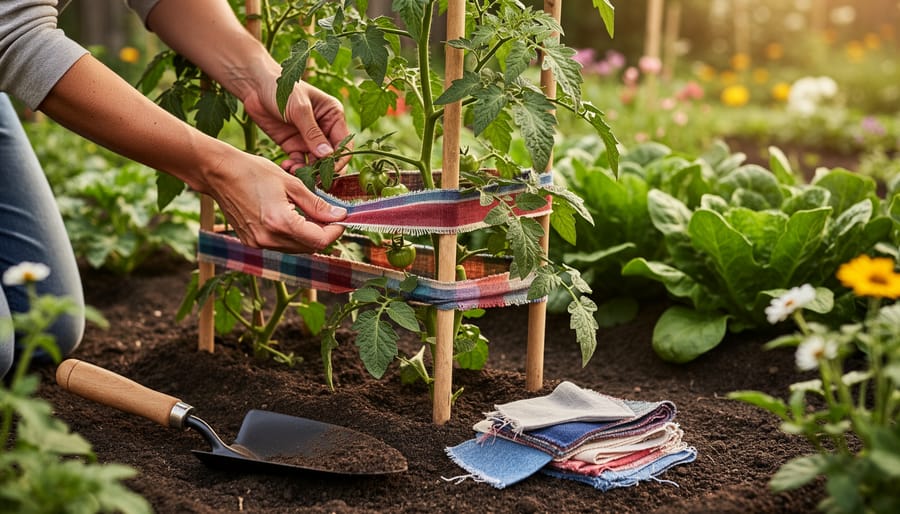
Gardener using a reclaimed fabric strip to tie up a young tomato plant
A simple garden hack, using old fabric as ties or protective pieces, helps divert textile waste while supporting healthy plant growth.

Old T-shirts, worn-out jeans, and frayed towels don’t have to end up in landfills. These everyday textiles can become surprisingly useful tools in your garden, tackling jobs from supporting climbing plants to protecting soil. Americans throw away more than 17 million tons of textile waste annually, with most headed straight to dumps where synthetic fabrics can take 200 years or more to break down. Your garden offers a perfect second life for these materials.

Cotton and linen fabrics work beautifully as soft plant ties that won’t damage delicate stems. Cut worn shirts or bedsheets into strips about an inch wide, and you’ve got gentle supports for tomatoes, beans, and flowering vines. Unlike plastic twist ties or wire that can cut into growing stems, fabric ties flex and expand as plants grow. Old wool sweaters, once felted in hot water, create excellent weed barriers for raised beds. Simply lay the dense fabric around plants to block light from reaching weed seeds while still allowing water to seep through.

Tip: Natural fabrics like cotton and wool will eventually decompose in soil, making them ideal for direct ground contact, while synthetic materials work better for projects like cushion stuffing where durability matters more than biodegradability.

Synthetic fabrics have their place too. Stuff old fleece jackets or polyester pillowcases into outdoor cushion covers for weather-resistant seating in your garden. Denim scraps laid in pathways slow erosion and suppress weeds in high-traffic areas. The heavy weight of jean material stands up to foot traffic better than lighter fabrics. Even shredded cotton T-shirts can bulk up your compost pile, adding carbon to balance nitrogen-rich kitchen scraps.

Before using any textile in your garden, give it a good wash to remove detergents, fabric softeners, and oils. Cut away buttons, zippers, and elastic bands since these won’t break down and can create hazards for soil life.

5. Build Rain Barrels and Planters From Reclaimed Materials
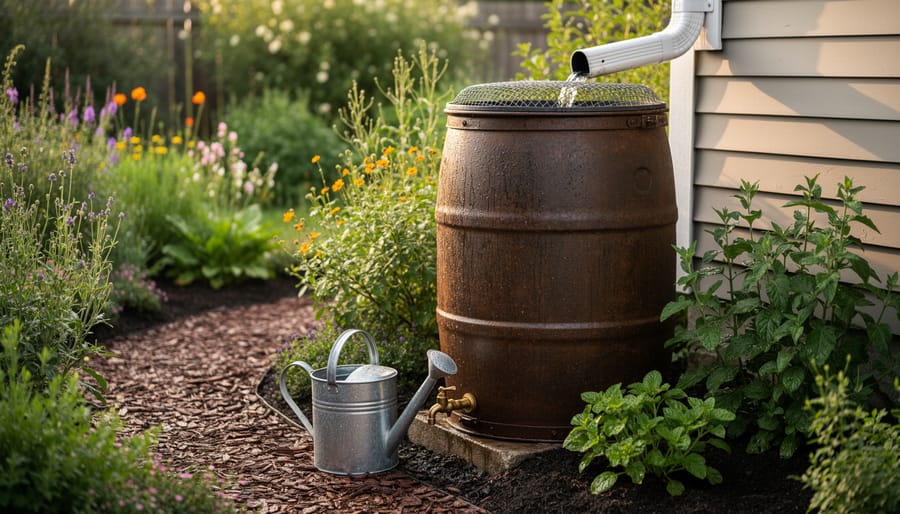
Reclaimed rain barrel and planter setup collecting water in an outdoor garden
A reclaimed rain barrel captures water for plants, turning discarded materials into a functional resource for the garden.

Discarded barrels and wooden pallets sitting behind restaurants, warehouses, or industrial facilities rarely end up in landfills when you know how to transform them. These overlooked materials become highly functional rain collection systems and elevated planters that serve your garden while saving thousands of gallons of water annually.

Start with food-grade plastic barrels, typically 55 gallons, available from beverage distributors or car washes for $10-20 each. Before use, thoroughly inspect for cracks and verify the barrel held only non-toxic contents, check the label or ask the source directly. Rinse multiple times with a vinegar solution, then drill a hole near the top for an overflow hose and install a spigot three inches from the bottom. Position your rain barrel under a downspout with a screen over the opening to keep debris and mosquitoes out. One barrel captures roughly 40 gallons from a single inch of rainfall on a standard roof.

For planters, untreated wooden pallets become elevated garden beds perfect for growing vegetables or herbs. Dismantle the pallet, keeping the longest boards intact, then reassemble into a box frame. Line with landscaping fabric to contain soil while allowing drainage. These raised beds improve accessibility, extend your growing season with better soil warming, and prevent an estimated 50 pounds of wood per pallet from reaching waste facilities.

Safety matters: avoid pallets stamped with “MB” (methyl bromide treatment) and stick with “HT” (heat-treated) or unmarked versions. Sand rough edges before assembly to prevent splinters during garden maintenance.

Common Questions About Turning Trash Into Resources
Hand holding compost over a sprouting seedling in a garden
A sprouting seedling nourished by reclaimed resources symbolizes how trash can become valuable inputs for daily life and healthier outdoor spaces.

Are repurposed materials safe for food storage or outdoor use?

Glass jars and metal tins that originally held food are completely safe to clean and reuse for storage. For plastic furniture and rain barrels, stick with materials designated as food-safe if they’ll contact edibles or drinking water, and always research the original container’s purpose before converting it.

Where can I find discarded materials without buying new stuff?

Start with your own household waste, then check with neighbors, local restaurants for food scraps and containers, construction sites for pallets and wood, and community groups on social media where people often give away items they’d otherwise trash. Many businesses are happy to donate materials destined for the landfill.

Does my individual effort really make a difference?

One person diverting just five pounds of waste weekly from landfills prevents 260 pounds annually. When you share your projects with neighbors or on social media, you typically inspire three to five others to start similar practices, multiplying your impact exponentially.

How can I start with limited space or money?

Composting works in a small countertop bin, container repurposing costs nothing, and textile projects need only scissors and creativity. Pick whichever method fits your living situation and expand as you gain confidence.

These questions come up constantly when people first consider transforming their trash, and the answers are more encouraging than you might expect. The beauty of resource recovery is its flexibility, you can adapt every method to your circumstances, whether you’re in an apartment or on acreage. Your local recycling program can become a partner too. Many facilities will share information about what materials they struggle to process, pointing you toward waste streams ripe for creative reuse. Some even host workshops or provide discounted composting bins to residents committed to diversion efforts.

You don’t need specialized equipment or massive lifestyle changes to make a real difference. Our family started with a single truckload of discarded plastic bottles, and that small beginning grew into a mission that’s kept tons of waste out of landfills. Your journey can start just as simply.

Pick one method that fits your space and schedule. Maybe it’s saving glass jars for garden storage this week, or setting up a small compost bin next month. Each choice creates a ripple effect. When you transform yesterday’s trash into today’s useful resource, you’re joining a growing movement that proves waste isn’t the end of a material’s story, it’s just a transition point.

The planet doesn’t need perfection from you. It needs your participation. Start where you are, use what you have, and watch how quickly those small actions compound into meaningful environmental impact.
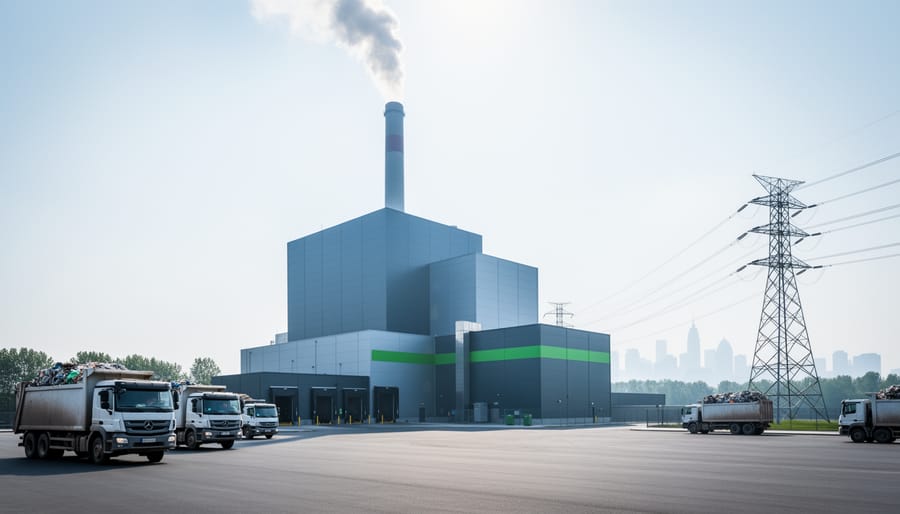
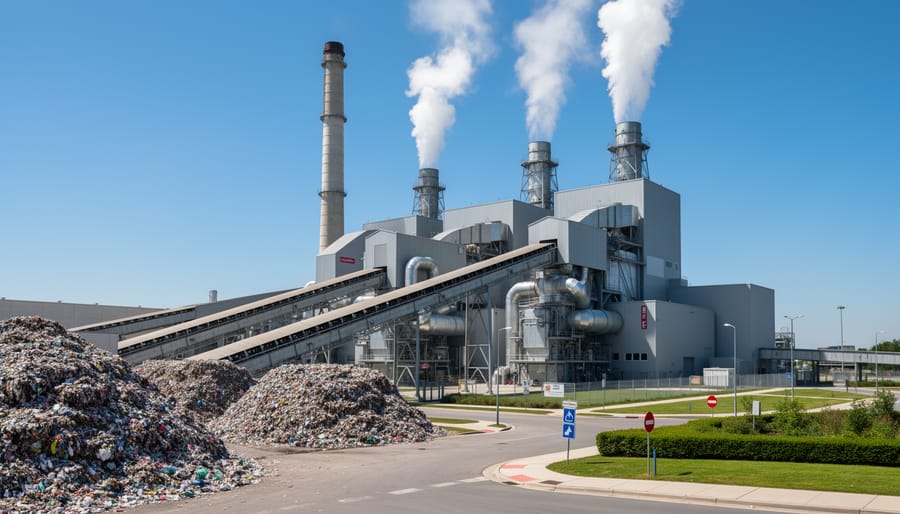
Modern waste-to-energy facility with a smokestack releasing steam, waste delivery trucks in the foreground, and power infrastructure in the background.

What Is Waste-to-Energy Technology (and How Does It Turn Trash into Electricity)?

Turning trash into electricity is the process of converting municipal solid waste into usable energy through combustion, gasification, or other thermal and biological methods. Instead of letting garbage decompose in landfills where it releases methane and takes up valuable land, waste-to-energy facilities burn or break down trash to generate heat, which then powers turbines to produce electricity or provides direct heating for homes and businesses.

This technology tackles two pressing environmental challenges at once. It reduces the volume of waste heading to landfills by up to 90% while simultaneously generating clean energy that can power thousands of homes. For communities struggling with limited landfill space and rising energy demands, waste-to-energy systems offer a practical solution that transforms an environmental burden into a resource.

The concept echoes the broader philosophy of turning trash into treasure but takes it a step further by creating actual power from materials that would otherwise sit in the ground for decades. Modern facilities equipped with advanced emission controls can process waste far more cleanly than traditional landfills, capturing pollutants before they reach the atmosphere.

In this article, you’ll discover exactly how waste-to-energy systems work, from the initial sorting of trash to the final production of electricity. We’ll explore the different technologies behind these facilities, examine real-world applications across the globe, and address the environmental questions that matter most to families and communities considering this approach to waste management.

Key Takeaway: Waste-to-energy technology saves valuable landfill space, displaces fossil fuel use, and recovers metals from ash for recycling, positioning it as a complement to recycling and upcycling in the resource recovery hierarchy, not a replacement.

What Waste-to-Energy Really Means

Modern waste-to-energy facility with a smokestack emitting visible steam under an overcast sky
A waste-to-energy plant turns non-recyclable waste into energy using controlled thermal processes in an industrial setting designed for emissions management.

Waste-to-energy technology transforms the garbage we can’t recycle into power we can use. Instead of burying non-recyclable materials in landfills where they sit for decades, WTE facilities harness the energy locked inside that waste through controlled processes that generate electricity, produce steam for heating, or create alternative fuels.

Think of it as the ultimate form of getting value from what others throw away. When recycling reaches its limits and materials can’t be repurposed into new products, waste-to-energy steps in as the next best option. The process captures energy that would otherwise be lost while dramatically reducing the volume of trash headed to landfills, often by 90 percent or more.

Waste-to-Energy (WTE)
The process of generating electricity, heat, or fuel from the treatment of solid waste through various thermal and biological methods.
Incineration
The combustion of waste materials at high temperatures in a controlled environment, converting trash into ash, gas, and heat that can power generators.
Thermal Treatment
Any heat-based process used to break down waste materials, including incineration, gasification, and pyrolysis.
Energy Recovery
The capture and use of energy that would otherwise be wasted, turning heat from trash into usable power or fuel.
Residual Waste
The leftover garbage that remains after recycling, composting, and reuse efforts, materials with no other recovery option except energy conversion or landfilling.

This approach fits squarely within the circular economy mindset. Rather than following the old take-make-dispose model, waste-to-energy closes the loop on materials that have reached the end of their useful life. It recognizes that even items destined for disposal contain value worth capturing. For environmentally conscious families looking to reduce their footprint, understanding WTE means seeing waste management as part of a complete resource recovery strategy where nothing truly goes to waste.

How Waste-to-Energy Technology Works

Safety workers inspecting mixed municipal waste at the entry chute of a waste-to-energy facility
Before any energy recovery happens, mixed non-recyclable waste is prepared and delivered into the facility to be processed in a controlled system.

Picture a garbage truck backing up to a waste-to-energy facility on an ordinary Tuesday morning. The trash you tossed last night is about to start a transformation that’ll power homes by dinnertime.

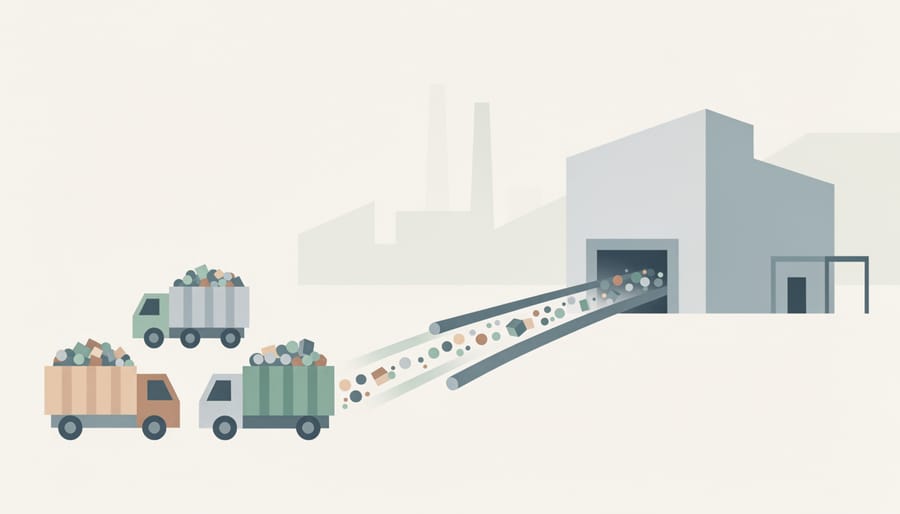
The journey begins at the tipping floor, where trucks dump their loads into a massive bunker, think of it as a temporary storage warehouse for waste. This isn’t a random pile. Crane operators grab enormous mechanical claws to mix and move the waste, ensuring a consistent fuel mixture. Too much wet organic matter or bulky items can affect how efficiently everything burns, so this mixing stage matters more than you’d think.

From the bunker, the waste travels up a conveyor into the combustion chamber. Here’s where things get seriously hot, we’re talking temperatures between 1,800 and 2,000 degrees Fahrenheit. At these extreme temperatures, the waste doesn’t just burn; it transforms. Metals melt, organic materials vaporize, and the entire mass reduces to about 10% of its original volume.

The intense heat from combustion does more than destroy trash. It boils water flowing through a network of tubes lining the furnace walls. This creates high-pressure steam, the real workhorse of the facility. That steam rushes toward turbines connected to generators, spinning them at thousands of rotations per minute. It’s the same basic principle that powers coal and natural gas plants, except the fuel source rode in on a garbage truck.

As the turbines spin, they drive generators that produce electricity. Some facilities generate enough power for 50,000 homes or more from waste that would otherwise pile up in landfills. The electricity flows into the local grid, indistinguishable from power generated any other way.

Meanwhile, gases from the combustion process pass through a sophisticated air pollution control system. Scrubbers remove acid gases, filters capture particulate matter, and selective catalytic reduction tackles nitrogen oxides. The exhaust that finally leaves the stack is cleaner than most people expect, modern facilities meet strict environmental standards.

What’s left behind is ash, which gets separated into bottom ash and fly ash. The bottom ash often contains metals that can be recovered and recycled. The remaining material sometimes gets used in construction applications, finding yet another purpose instead of simply taking up landfill space.

From truck to turbine to transmission line, the entire process takes hours, not days. Your morning trash could literally be powering your evening lights.

Different Methods of Turning Trash into Power

Traditional Incineration

Mass burn incineration facilities are the workhorses of waste-to-energy technology, handling about 90% of the waste converted into electricity worldwide. These plants accept mixed municipal waste, everything from food scraps to furniture that can’t be salvaged, without requiring extensive sorting beforehand.

Here’s how they operate: garbage trucks deliver waste directly to a massive storage bunker, where crane operators mix and feed materials into combustion chambers. These chambers burn at temperatures between 1,800 and 2,000 degrees Fahrenheit, hot enough to break down most materials and destroy harmful pathogens. The intense heat boils water in surrounding pipes, creating high-pressure steam that spins turbines connected to generators.

Modern incineration facilities include sophisticated pollution control systems with multiple layers of scrubbers, filters, and catalysts. These remove acid gases, heavy metals, and particulates before releasing cleaned exhaust. The journey from waste to energy takes just a few hours, and one ton of trash typically generates enough electricity to power a home for about a month. What remains is approximately 25% of the original volume as bottom ash, which many facilities now recycle into road base and construction materials rather than landfilling it.

Advanced Thermal Technologies

Beyond traditional incineration, advanced thermal technologies offer a more sophisticated approach to breaking down waste. These methods starve the process of oxygen, creating entirely different chemical reactions that produce cleaner outputs.

Gasification heats waste to extreme temperatures, typically 700 to 1,200 degrees Celsius, in a low-oxygen environment. Instead of burning materials completely, this process converts them into syngas, a mixture of hydrogen and carbon monoxide that burns remarkably clean. It’s like transforming your trash into a new fuel before it ever produces electricity.

Pyrolysis takes a similar approach but operates at slightly lower temperatures without any oxygen present. The waste literally breaks down into its chemical building blocks, yielding oil-like liquids, combustible gases, and solid char. Think of it as reverse manufacturing, taking complex products and reducing them back to raw energy components.

Plasma arc technology pushes things to the extreme. Using temperatures hotter than the surface of the sun (up to 14,000 degrees Celsius), advanced thermal plasma gasification obliterates molecular bonds in waste materials, turning nearly everything into syngas and an inert glass-like slag. It’s the closest thing to making waste disappear completely while capturing its energy value.

These oxygen-controlled methods produce far fewer air pollutants than conventional burning and can handle trickier waste streams, including medical waste and hazardous materials.

Biological Conversion Methods

Unlike thermal methods that apply intense heat, biological conversion harnesses nature’s own recycling system. In sealed tanks called digesters, microorganisms break down food scraps, agricultural residues, sewage sludge, and other organic materials without oxygen. Through this process, anaerobic digestion produces biogas primarily methane and carbon dioxide, that can fuel generators to create electricity and heat.

Think of it as composting’s high-tech cousin. The bacteria do the heavy lifting, converting yesterday’s kitchen waste into tomorrow’s power while leaving behind a nutrient-rich digestate that farmers use as fertilizer. Dairy farms, wastewater treatment plants, and food processing facilities are putting this technology to work, turning their organic waste streams into renewable energy on-site. A single digester at a large dairy operation can generate enough electricity to power hundreds of homes while dramatically cutting methane emissions that would otherwise escape from manure lagoons. It’s proof that sometimes the best solution works with nature, not against it.

Where Waste-to-Energy Makes the Biggest Impact

Streetlights glowing at dusk with a distant electrical utility substation and clean neighborhood background
Energy recovered from waste can supply electricity for everyday life, seen here in evening streetlights and a functioning local grid.

Waste-to-energy facilities aren’t just theoretical solutions, they’re actively powering communities and transforming how we handle trash right now. The technology shows up where waste volumes are high, space is limited, and there’s a genuine commitment to keeping materials out of landfills.

Cities lead the pack in WTE adoption. Urban centers with limited landfill space and dense populations find these facilities solve multiple problems at once. Copenhagen’s Amager Bakke plant processes 440,000 tons of waste annually while generating electricity for 60,000 homes and district heating for 160,000 residents. The facility even features a ski slope on its roof, turning infrastructure into recreation. Closer to home, facilities in places like Hillsborough County, Florida convert municipal waste into enough electricity to power thousands of homes while drastically reducing landfill dependency.

The technology makes the biggest difference in several key areas:

  • Municipal solid waste systems that process residential and commercial garbage from entire metro regions
  • Landfill diversion programs aiming to meet zero-waste goals or extend existing landfill lifespans
  • Industrial waste management for manufacturing facilities generating consistent non-recyclable materials
  • District heating networks that distribute thermal energy from WTE plants to homes and businesses
  • Combined resource recovery facilities that integrate sorting, recycling, and energy recovery under one roof

Industrial applications showcase WTE’s flexibility. Paper mills, food processing plants, and manufacturing facilities use on-site gasification or anaerobic digestion to convert their own waste streams into energy, cutting disposal costs while powering operations. Pharmaceutical companies and hospitals rely on specialized high-temperature systems to safely destroy medical waste while recovering energy.

The real magic happens when WTE complements rather than competes with recycling efforts. Modern facilities incorporate front-end sorting to pull out recyclables before combustion. This integration mirrors how operations in the circular economy work together, just as waste becomes furniture through dedicated recycling programs, the materials that can’t be mechanically recycled still contribute value through energy recovery. It’s about finding the right path for every piece of waste, whether that’s a second life as a product or as clean electricity lighting someone’s home.

The Environmental Story Behind Energy from Waste

When you divert a ton of waste from the landfill to a waste-to-energy facility, you’re doing more than just clearing space, you’re preventing decades of methane emissions. Landfills are methane factories. As organic materials decompose without oxygen, they release this greenhouse gas that’s roughly 25 times more potent than carbon dioxide over a century. WTE facilities combust waste under controlled conditions, breaking down those materials immediately and capturing the energy rather than letting it seep into the atmosphere.

The energy displacement story matters just as much. Every megawatt-hour generated from waste is a megawatt-hour we don’t need from coal or natural gas. Modern WTE plants generate enough electricity to power thousands of homes, offsetting fossil fuel consumption and the carbon emissions that come with it. In regions with limited renewable energy infrastructure, this becomes a practical bridge technology that reduces our reliance on the dirtiest energy sources while we build out solar and wind capacity.

Resource recovery extends beyond energy generation. The ash left after combustion contains concentrated metals like iron, aluminum, copper, and even precious metals from electronics. Forward-thinking facilities extract these materials and send them back into manufacturing streams. What started as mixed trash becomes both electricity and reclaimed raw materials, a double environmental win that embodies the circular economy philosophy.

Emission controls have transformed dramatically since early incinerators gave WTE a bad reputation. Today’s plants use multi-stage scrubbing systems, fabric filters, and selective catalytic reduction to remove sulfur dioxide, nitrogen oxides, heavy metals, and particulates. Modern European and North American facilities often emit less dioxin per unit of energy than coal plants, with continuous monitoring ensuring compliance with strict environmental standards.

WTE sits in a specific spot within the waste hierarchy, and understanding that placement matters. Reduction comes first, consuming less creates less waste. Reuse and recycling follow, keeping materials in circulation. Then comes energy recovery for what can’t be reduced, reused, or recycled. Finally, landfilling serves as the last resort. This isn’t about choosing between recycling and energy recovery; it’s about deploying both strategically. We recycle the aluminum can and recover energy from the contaminated food wrapper that recycling facilities reject.

That broader mission of finding value in discarded materials connects everything from upcycled furniture projects to industrial energy recovery. The family business mindset applies at every scale: nothing is truly waste if we’re creative and intentional about recovery.

Common Questions About Turning Trash into Electricity

Is waste-to-energy safe for nearby communities?

Modern waste-to-energy facilities use advanced pollution control systems including scrubbers, filters, and continuous emission monitoring to meet strict air quality standards. These plants typically emit less greenhouse gas per ton of waste than landfills, which release methane, and facilities are regularly inspected to ensure compliance with environmental and health regulations.

How much electricity can trash actually generate?

One ton of municipal solid waste typically generates about 500-600 kilowatt-hours of electricity, enough to power a home for roughly two weeks. A single waste-to-energy facility processing 2,000 tons daily can provide electricity for tens of thousands of homes while dramatically reducing landfill volume.

Does waste-to-energy compete with recycling programs?

Not when systems are designed thoughtfully. WTE plants work best as partners with recycling, handling materials that can’t be recycled economically or materials contaminated beyond recovery. The most effective waste management strategies prioritize reduction and recycling first, then use energy recovery for the remaining non-recyclable waste.

What happens to the ash left after burning trash?

Bottom ash, which makes up about 15-20% of the original waste volume, often gets recycled into road base, construction aggregate, or landfill cover material. Fly ash from pollution control systems requires special handling and typically goes to lined landfills, but the overall volume needing disposal is a fraction of what the original trash would have occupied. That smaller disposal burden fits the broader aim to reduce trash by turning it into resources.

People also wonder about costs. Building a waste-to-energy facility requires significant upfront investment, but operational expenses can be offset by electricity sales and avoided landfill fees. For communities facing limited landfill space or high disposal costs, WTE makes financial sense over the long term.

The comparison to landfills comes up constantly. Landfills consume vast land areas, create methane emissions for decades, and risk groundwater contamination through leachate. Energy recovery transforms that same waste into electricity while reducing volume by roughly 90%. It’s not perfect, nothing beats preventing waste in the first place or finding creative reuse through eco-friendly production methods, but for unavoidable, non-recyclable waste, generating power beats burial.

Some folks ask whether every community needs a WTE plant. The answer depends on waste volume, available land, energy prices, and local recycling infrastructure. Smaller communities might lack the waste stream to justify a facility, while densely populated areas with limited landfill access often find waste-to-energy essential for sustainable waste management.

Waste-to-energy technology represents just one chapter in the bigger story of resource recovery. When you understand how non-recyclable materials can generate electricity instead of sitting in landfills, you start seeing trash differently. That yogurt container that can’t be recycled? It might power streetlights. Those worn-out textiles? Potential fuel for heating homes. And the recyclable plastics that do get processed can become durable products that last decades, with plastic durability rivaling virgin materials.

Our family business grew from the belief that nothing is truly waste until we stop looking for its value. Sometimes that value becomes a piece of upcycled furniture. Other times, it becomes kilowatts of clean energy. The key is matching the right material to its highest purpose.

You don’t need to build a waste-to-energy plant to make a difference. Start by understanding where your trash goes and supporting the facilities and businesses that extract maximum value from it. Choose products made from recycled materials. Push for better waste management in your community. Every choice you make sends a signal about what kind of resource recovery future you want to see. The transformation has already begun, be part of it.