How Editable Backlinks Transform Your Recycled Plastic Furniture Business
Build authority for your recycled plastic furniture business by strategically placing editable backlinks across partner sites, eco-blogs, and sustainable living directories where your target customers naturally gather. When you buy backlinks online, prioritize platforms that share your environmental mission and allow you to update anchor text as your product lines evolve—this flexibility means your three-piece patio set link today can become a full outdoor dining collection link tomorrow without losing the SEO equity you’ve built.
Focus your editable backlinks on high-intent pages showcasing your furniture’s unique story: how ocean-bound plastics transform into weather-resistant benches, or how your family business diverts thousands of bottles from landfills monthly. Partner with environmental nonprofits, green home improvement blogs, and sustainable lifestyle influencers who welcome guest contributions where you can embed updatable links pointing to seasonal collections or new product launches.
Track which backlinks drive actual furniture sales versus mere traffic by connecting your link management platform to conversion data, then double down on placements that attract customers ready to furnish entire outdoor spaces. This approach respects both your marketing budget and your commitment to authentic partnerships within the sustainability community.
What Makes a Backlink ‘Editable’ (And Why It Matters for Your Green Business)

The Difference Between Static and Editable Links
Think of traditional static backlinks like furniture carved from solid wood—they’re permanent, unchangeable, and once they’re set, that’s it. If the website linking to your recycled plastic furniture business changes direction or closes down, that connection stays frozen in time, potentially leading nowhere or to outdated information.
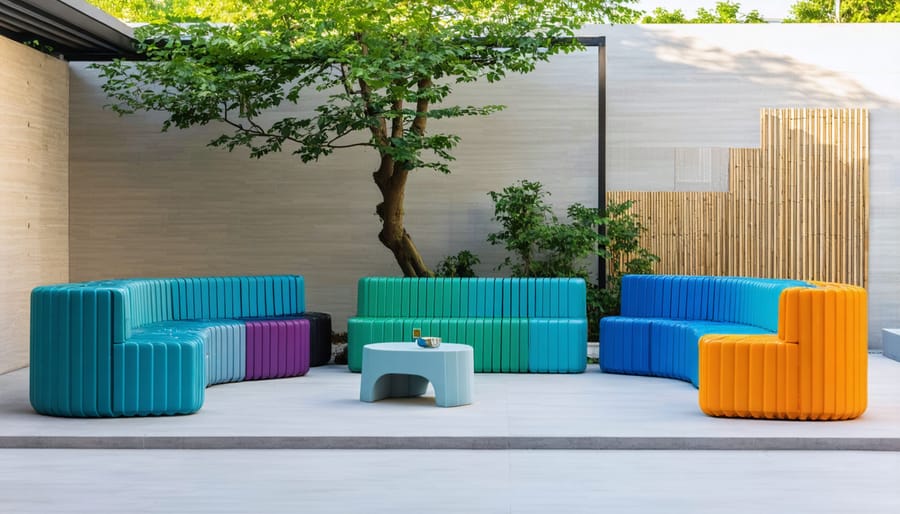
Editable backlinks, on the other hand, work more like our modular outdoor furniture pieces. They’re flexible and adaptable to changing needs. Imagine you’ve partnered with an environmental blog that writes about your sustainable patio sets. With an editable backlink, if you launch a new collection of recycled plastic dining furniture next season, that same link can be updated to showcase your latest innovations without bothering the original publisher.
Here’s a real-world example: A garden design website might link to your general homepage today. But as your business grows and you develop specialty lines—perhaps recycled plastic Adirondack chairs or planters—that editable link can evolve to direct visitors to exactly what they’re searching for. It’s like having a living, breathing connection that grows alongside your family business, ensuring every visitor finds the most relevant, up-to-date information about your eco-friendly furniture solutions.
Why Flexibility Matters When You’re Building Something Better
Here’s the thing about running a sustainable furniture business: you’re constantly evolving. Last month, you might have partnered with a new recycling facility that processes ocean-bound plastics. This month, you’ve earned a sustainability certification you’ve been working toward for years. Next quarter, you’re launching a whole new line of garden benches made from post-consumer milk jugs.
Your story keeps getting better, and your website needs to keep pace.
That’s where editable backlinks become your secret weapon. Unlike traditional backlinks that lock you into yesterday’s content, editable links let you update your message as your business grows. When you develop a breakthrough in material processing or switch to an even more eco-friendly production method, you can refresh those existing links without starting from scratch.
Think of it like the furniture you create: adaptable, durable, and designed to stand the test of time. Your family business has probably weathered countless changes over the years, always finding ways to improve while staying true to your values. Your backlink strategy should do the same. As you innovate and expand your environmental impact, your online presence can evolve right alongside you, keeping your audience informed about your latest achievements without losing the credibility you’ve already built.
Five Ways Editable Backlinks Amplify Your Recycled Furniture Story
Update Your Impact Numbers as They Grow
Here’s the exciting part: your environmental impact keeps growing, and your marketing should celebrate that journey! With editable backlinks, you can update those impressive numbers without asking every website to republish your content.
Think about it. Last year, you might have diverted 5,000 pounds of plastic from landfills. This year? Maybe it’s 15,000 pounds. Instead of outdated statistics floating around the internet, simply update your master link destination with current numbers. Every backlink automatically shares your latest achievements.
Update your carbon footprint reduction metrics quarterly. When you hit a milestone like preventing 10 tons of CO2 emissions, let the world know through your existing backlinks. Share the number of ocean-bound plastic bottles transformed into beautiful furniture pieces. These aren’t just statistics; they’re stories of real environmental change that resonate with your customers.
This approach keeps your brand narrative fresh and authentic while showcasing the growing impact of choosing recycled plastic furniture. Your family business isn’t just making furniture; you’re building a legacy of environmental stewardship that deserves to be accurately represented everywhere your name appears online.

Evolve Product Links as Your Collection Expands
As your recycled plastic furniture collection grows, your backlinks should grow with it. Think of this as nurturing a living ecosystem rather than setting up static signposts. When we launched our dining chair collection last spring, we simply updated our existing backlinks from partner blogs to reflect the expanded range. Instead of links pointing to “outdoor seating,” we edited them to highlight “complete outdoor dining sets”—maintaining all that hard-earned SEO authority while showcasing our newest pieces.
The beauty of editable backlinks shines when product lines evolve. Perhaps you’re discontinuing a particular bench style but introducing modular seating. Rather than losing those valuable backlinks, you redirect them to the upgraded collection. This approach honors both your sustainability mission and your digital presence. We’ve found that transparency works wonders here—when reaching out to partners about link updates, we share the environmental story behind our product evolution. It’s not just about SEO; it’s about keeping everyone aligned with your growth journey while preserving the link equity you’ve built together.
Keep Your Family Story Fresh and Relevant
Your family business has a story worth telling, and that story naturally evolves. Maybe you’ve just diverted your millionth plastic bottle from landfills, or your daughter joined the company to continue your environmental legacy. With editable backlinks, you can keep these milestones visible without starting from scratch each time you reach a new achievement.
Think of editable backlinks as living testimonies to your growth. When a sustainability blog linked to your “About Us” page three years ago, that link built valuable credibility. Now, instead of watching that page become outdated, you can refresh it with current family stories, updated environmental impact numbers, and recent certifications while keeping that precious link equity intact. The original backlink remains active and powerful, but now it points visitors to your most inspiring, current narrative.
This approach helps environmentally conscious customers connect with your authentic journey. They see a thriving family business that’s genuinely making a difference, not a static website frozen in time. Your heritage stays relevant, your impact stays measurable, and your online authority keeps growing naturally.
Adjust Seasonal Messaging for Outdoor Furniture
Your backlinks should breathe with the seasons, just like your customers’ outdoor spaces. When spring arrives and homeowners start planning their patios, update your anchor text to emphasize “spring patio furniture” or “weather-resistant garden seating.” As summer peaks, shift focus to “poolside loungers” or “backyard entertaining essentials.” These seasonal adjustments keep your links fresh and relevant while maintaining their SEO value.
The beauty of editable backlinks is that you can redirect them to different landing pages without losing the link equity you’ve built. During winter months, when outdoor furniture sales naturally slow, point those same backlinks to content about year-round durability or indoor-outdoor versatility. This flexibility lets you align with outdoor living trends without sacrificing your hard-earned link authority.
Think of it as being nimble stewards of both your digital presence and environmental message. By timing your backlink adjustments with actual consumer behavior patterns, you demonstrate the same thoughtful resourcefulness that makes recycled plastic furniture such a smart choice for sustainable living.
Refine Your Sustainability Partnerships
Your sustainability story is always evolving, and your backlinks should too. As your recycled plastic furniture business grows, you’ll likely forge new partnerships with recycling facilities, collaborate with ocean cleanup initiatives, or join forces with environmental organizations. These exciting developments deserve to be showcased.
Think about it like this: when we first started our family business, we worked with just one local recycling center. Today, we partner with five facilities across three states, and we’re proud members of the Ocean Plastics Alliance. Each new collaboration tells a powerful story about expanding your environmental impact.
Keep your backlinks fresh by regularly updating partnership pages. When you begin sourcing materials from a new recycling program, create content about that relationship and link to their website. If a sustainability certification you mentioned gets upgraded or renamed, adjust those links accordingly. This practice not only keeps your information accurate but also strengthens relationships with partners who appreciate being featured on your site.
Consider creating a dedicated “Our Impact Network” page where you can easily add new collaborations as they develop, making updates seamless and keeping your environmental journey transparent for customers who care deeply about where their furniture comes from.
Building Your Editable Backlink Strategy: Where to Start

Partner Sites That Welcome Flexibility
The beautiful thing about the sustainable furniture community? It’s filled with passionate people who genuinely want to help amplify your mission. Environmental blogs are natural allies—they’re constantly seeking fresh stories about innovative eco-solutions, and your recycled plastic furniture fits perfectly into their narrative. These sites typically welcome updates as your product lines evolve or your environmental impact grows.
Gardening and outdoor living websites represent another goldmine of opportunity. Their audiences are already invested in creating beautiful, sustainable outdoor spaces, making them ideal partners. Many of these publications maintain resource sections and buying guides that they regularly refresh with new information.
Sustainability directories and green business platforms actively encourage their listed companies to keep information current. They understand that the eco-friendly marketplace moves quickly, and outdated links don’t serve anyone well.
Lifestyle publications focusing on conscious living, home design, and family spaces often feature evergreen content about sustainable choices. They appreciate partners who can provide updated statistics about plastic waste diversion or new design innovations. As a family business committed to environmental stewardship, you’ll find these communities remarkably receptive to collaboration—they’re not just hosting your link, they’re supporting a shared vision for a healthier planet.
Creating Content Worth Linking To (And Worth Updating)
The secret to earning backlinks that stand the test of time? Create content so valuable that others can’t help but reference it—and give you reasons to keep it fresh.
Start with transparency about your environmental impact. Annual sustainability reports showing exactly how many plastic bottles you’ve diverted from landfills or the carbon footprint you’ve reduced resonate deeply with eco-conscious audiences. These numbers tell a compelling story that bloggers, journalists, and environmental advocates want to share. Update them quarterly or yearly, and you’ve got a perfect reason to reach back out to everyone who’s linked to your report.
Innovation stories are link magnets. Document your journey developing new recycling processes or discovering better ways to transform ocean plastic into durable furniture. Behind-the-scenes content about your family business heritage and how you’re evolving traditional craftsmanship with sustainable materials creates emotional connections. These stories naturally evolve as your techniques improve, giving you legitimate reasons to refresh the content and notify your linking partners.
Educational resources about plastic recycling work beautifully for sustainable business growth. Create comprehensive guides explaining which plastics can be recycled, how the transformation process works, or tips for identifying quality recycled furniture. Make these genuinely helpful for homeowners and outdoor enthusiasts who care about making informed choices. As recycling technology advances or new research emerges, you’ll have natural opportunities to update these resources—and each update gives you a compelling reason to contact sites linking to your content, keeping those backlinks active and relevant.
Common Mistakes to Avoid (So Your Links Keep Working for You)
Let me share some wisdom we’ve gathered from years in this business—mistakes we’ve seen (and honestly, made ourselves) that can turn a helpful strategy into a headache.
The biggest pitfall? Over-editing your anchor text like you’re rearranging furniture every weekend. We had one enthusiastic partner who changed their backlink anchor text five times in three months, completely confusing search engines about what their page was actually about. Think of it this way: if you kept changing your business name, customers would struggle to remember you. The same goes for backlinks. Make thoughtful changes when truly necessary—like when your focus shifts from outdoor chairs to entire patio collections—but don’t tinker just because you can.
Another trap is the “set it and forget it” approach with your link partners. Remember, these are relationships, not just digital connections. If you’ve built a backlink with a sustainability blog that featured your recycled plastic benches, keep that relationship warm. A quick email checking in, sharing updates about your environmental impact, or celebrating their new content keeps trust alive. We’re a family business, and we’ve learned that authenticity matters more than algorithms.
Here’s something many folks miss: making changes that prioritize keywords over readability. Yes, “eco-friendly recycled outdoor furniture” might seem perfect for SEO, but if it reads awkwardly in context, it actually hurts you. Search engines have gotten incredibly smart—they reward natural, helpful content that serves real people making real decisions about sustainable living.
Finally, don’t panic-edit based on short-term ranking fluctuations. SEO is a marathon, not a sprint. Give your changes time to work their magic, usually at least several weeks, before deciding something isn’t working.
Just like transforming discarded plastic into beautiful, functional furniture, building your online presence through editable backlinks is about seeing potential where others see waste. It’s about adapting, innovating, and growing with purpose. This flexible approach to SEO doesn’t require massive budgets or complicated strategies right from the start. Instead, it mirrors the very spirit of what makes recycled plastic furniture special: taking something simple and making it extraordinary through thoughtful effort.
Start small. Reach out to one local environmental blog. Update one seasonal promotion. Share one customer’s story about how your furniture transformed their patio while keeping plastic out of landfills. Each editable backlink you create is a seed planted in the digital landscape, ready to grow and change as your business evolves.
The beauty of this strategy is that it grows with you, just as our family business has grown by staying true to sustainable values while embracing new opportunities. Your mission to protect the environment doesn’t have to compete with your need for visibility. They can work hand in hand, building something lasting and meaningful. So take that first step today, knowing that every link, like every piece of recycled plastic, has the potential to become part of something bigger.